Introduction: Understanding Employee Workplace Trends
What Are Employee Workplace Trends?
Employee workplace trends refer to the evolving patterns, behaviors, and practices shaping how people work, interact, and perform in organizations. These trends reflect changes in work models, expectations, tools, and cultural dynamics.
Why Staying Updated Matters
Both businesses and employees need to stay informed about workplace trends to remain competitive, attract top talent, enhance productivity, and foster engagement. Organizations that adapt can innovate, while employees who embrace change can future-proof their careers.
Key Drivers of Workplace Trends
1. Technology
Automation, AI, collaboration tools, and digital platforms are transforming how work is performed and managed.
2. Employee Expectations
Modern employees prioritize flexibility, purpose-driven work, career growth, and well-being.
3. Globalization
Cross-border collaboration and remote work are opening access to global talent and diverse perspectives.
4. Generational Workforce Shifts
Millennials and Gen Z bring different work preferences, values, and expectations that are shaping organizational culture.
Preview of Trends to Be Covered
This blog will explore key workplace trends, including:
- Remote and hybrid work models
- Automation, AI, and robotics
- Lifelong learning and upskilling
- Employee well-being and mental health
- Diversity, equity, and inclusion (DEI)
- Global talent and distributed workforce
Remote and Hybrid Work
Evolution of Remote Work Post-Pandemic
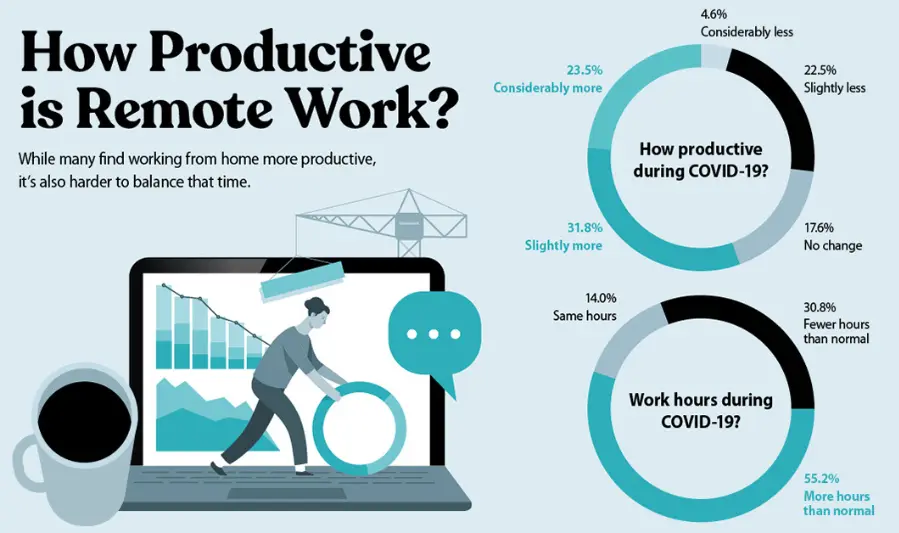
The COVID-19 pandemic accelerated the shift from traditional office setups to remote-first and hybrid work models. Many organizations realized that employees could remain productive outside the office, prompting a long-term adoption of flexible work arrangements.
Remote Work Adoption Statistics
Recent studies show that a significant portion of the workforce now works remotely at least part-time, with hybrid models becoming the norm in many industries. Organizations report improved employee satisfaction and retention as a result.
Pros of Remote and Hybrid Work
1. Flexibility
Employees can manage their schedules to balance work and personal life effectively.
2. Increased Productivity
Remote setups often reduce commuting and office distractions, enabling focused work.
3. Reduced Commuting
Less travel saves time, reduces stress, and contributes to a smaller carbon footprint.
4. Access to Global Talent
Companies can hire skilled professionals regardless of geographic location, fostering diversity and innovation.
Cons of Remote and Hybrid Work
1. Isolation and Burnout
Remote employees may feel disconnected, impacting engagement and mental health.
2. Communication Challenges
Lack of face-to-face interaction can lead to misunderstandings and slower decision-making.
3. Cybersecurity Risks
Distributed workforces face higher exposure to data breaches and cyber threats.
Tools and Strategies for Effective Remote Work
- Communication Platforms: Zoom, Microsoft Teams for meetings and collaboration.
- Team Messaging: Slack for instant communication and updates.
- Asynchronous Communication: Using emails and project boards to accommodate time zone differences.
- Digital Collaboration Practices: Shared documents, cloud storage, and project management tools ensure smooth workflow across distributed teams.
Employee Well-being and Mental Health
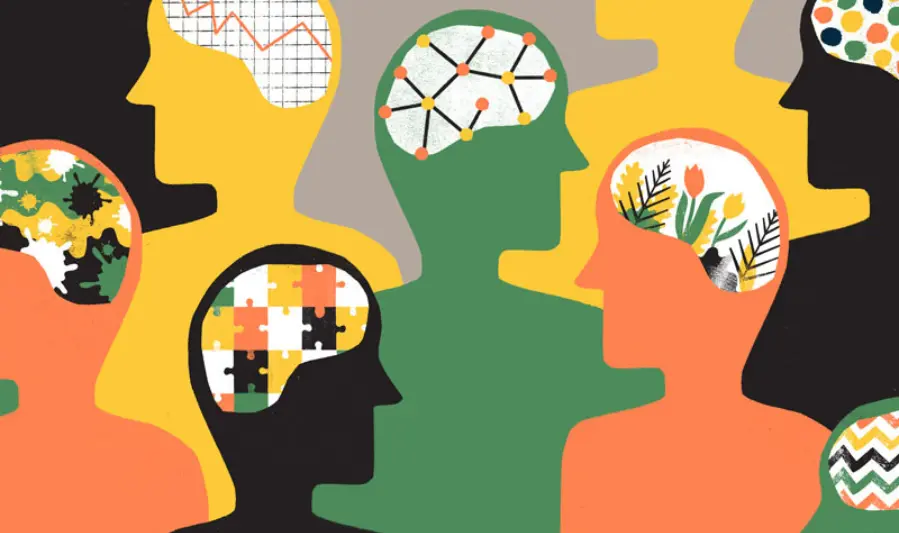
Importance of Mental and Physical Health
Employee well-being is directly linked to productivity, engagement, and retention. Organizations that prioritize mental and physical health create environments where employees can thrive, leading to better overall performance.
Wellness Programs
1. Fitness and Physical Health Initiatives
Programs like gym memberships, activity challenges, and wellness incentives encourage regular physical activity and improve overall health.
2. Meditation and Stress Management
Mindfulness sessions, relaxation workshops, and stress management programs help employees cope with workplace pressures effectively.
3. Counseling Services
Access to professional counseling or therapy ensures employees receive support for mental health challenges, reducing burnout and improving resilience.
Ergonomic and Safe Workspaces
Proper workstation design, ergonomic chairs, adjustable desks, and safe home-office setups prevent physical strain and contribute to comfort and productivity.
Work-Life Balance
- Flexible Hours: Allowing employees to choose working times that suit their lifestyle.
- Paid Time Off Policies: Encouraging vacations and rest.
- Mental Health Days: Providing time off to focus on well-being.
Technology for Wellness
- Wellness Apps: Track health, meditation, and fitness routines.
- AI-Based Stress Monitoring: Detects early signs of burnout and provides personalized recommendations.
- Teletherapy Platforms: Enable remote access to mental health professionals.
Case Studies: Leading Companies
Organizations like Google, Salesforce, and Microsoft have set examples with comprehensive wellness programs that prioritize employee mental and physical health, resulting in higher engagement, reduced turnover, and a stronger organizational culture.
Continuous Learning and Upskilling
Lifelong Learning: A Necessity
In today’s rapidly evolving work environment, lifelong learning is essential for employees to remain competitive, adapt to new technologies, and seize emerging career opportunities. Organizations that encourage continuous learning cultivate a future-ready workforce.
Learning Platforms and Resources
1. Online Learning Platforms
Platforms like Coursera, Udemy, and LinkedIn Learning provide flexible, accessible opportunities for skill development.
2. Internal Learning Management Systems (LMS)
Companies often offer internal training portals to deliver role-specific knowledge and track employee progress.
3. Microlearning, Certifications, and Skill Badges
Short, focused courses and recognized certifications allow employees to gain targeted skills efficiently and showcase expertise.
Encouraging a Growth Mindset
1. Self-Directed Learning
Empowering employees to take ownership of their development fosters curiosity and engagement.
2. Innovation Challenges
Providing opportunities for experimentation and problem-solving encourages creativity and critical thinking.
Role of Managers
- Mentoring: Guiding employees through career development and skill-building.
- Career Path Planning: Helping staff align learning goals with advancement opportunities.
- Providing Learning Resources: Ensuring access to courses, workshops, and other development tools.
Diversity, Equity, and Inclusion (DEI)
Importance of Diversity
Diversity is a key driver of innovation, employee engagement, and better decision-making. Organizations that embrace diverse perspectives create more inclusive and resilient workplaces.
DEI Initiatives
1. Mentorship Programs
Pairing employees with mentors supports career growth and knowledge sharing while promoting equitable opportunities.
2. Employee Resource Groups (ERGs)
ERGs provide communities for underrepresented groups, fostering inclusion, support, and engagement.
3. Unbiased Hiring Practices
Implementing equitable recruitment and evaluation processes ensures diverse candidate pools and fair hiring decisions.
Measuring DEI Impact
- Metrics: Track representation, pay equity, and promotion rates.
- Surveys: Gather employee perceptions on inclusivity and belonging.
- Feedback: Collect qualitative insights to identify areas for improvement.
Challenges in Remote Teams
Maintaining inclusive communication and cultural awareness can be difficult when teams are distributed across regions and time zones.
Best Practices for DEI
- Cultural Awareness Training: Educate employees on diversity, equity, and inclusion.
- Equitable Promotion Policies: Ensure all employees have fair access to growth opportunities.
- Inclusive Communication Practices: Use language, collaboration methods, and recognition strategies that foster belonging across the team.
Employee Experience and Engagement
What is Employee Experience?
Employee experience refers to the overall journey and interactions an employee has within an organization, from onboarding to daily work life. A positive experience improves engagement, productivity, and retention, while a negative experience can lead to turnover and low morale.
Engagement Strategies
1. Recognition Programs
Regular acknowledgment of achievements and contributions boosts motivation and morale.
2. Feedback Culture
Encouraging open, constructive feedback ensures employees feel heard and valued.
3. Gamification
Incorporating game-like elements in tasks and training increases engagement and participation.
Personalization of Employee Experience
- Tailored Roles: Aligning job responsibilities with individual strengths and interests.
- Customized Benefits: Offering flexible perks based on employee needs.
- Development Plans: Creating personalized learning paths and career growth opportunities.
Measuring Engagement
- Employee Surveys and Pulse Checks: Regularly assess satisfaction and engagement levels.
- Retention Metrics: Monitor turnover rates and identify areas for improvement.
- Performance Indicators: Correlate engagement with productivity and output quality.
Role of Leadership
Leaders play a critical role in fostering a motivated workforce by modeling values, supporting development, recognizing contributions, and maintaining transparent communication. Their actions directly influence the overall employee experience and engagement.
Technology Adoption and Digital Transformation
Collaboration Tools
Modern workplaces rely on digital collaboration platforms to enhance communication and productivity:
- Slack for instant messaging and team coordination.
- Asana and Trello for project management and task tracking.
- Microsoft Teams for video meetings, file sharing, and integrated workflow management.
You may also like to read these posts:
Top Latest Fashion Style Trends to Update Your Wardrobe
Luxury Living Lifestyle Secrets for a Premium Way of Life
How AI Is Shaping the Future in 2026: Key Headlines You Should Know
Latest Job Openings and Career Opportunities Today
How to Hire Talent: A Step-by-Step Guide for Employers
Top Employee Workplace Trends Shaping the Future of Work
AI and Automation
1. Chatbots
Automate customer service and internal support, improving response times and efficiency.
2. Workflow Automation
Streamline repetitive tasks, reduce errors, and free employees for higher-value work.
3. Data Analytics
Leverage AI-driven analytics to make informed decisions and optimize processes.
Employee Training for Digital Tools
Ensuring employees can effectively adopt new technologies requires:
- Structured onboarding and training programs.
- Continuous learning opportunities and knowledge-sharing sessions.
- Encouraging a growth mindset to embrace digital change.
Cybersecurity and Data Privacy
As digital tools proliferate, organizations must implement robust cybersecurity protocols and ensure compliance with data privacy regulations to protect sensitive information.
Emerging Technologies
- AR/VR for Remote Training: Immersive simulations for skills development and onboarding.
- Blockchain for Secure Workflows: Enhances transparency, security, and traceability in transactions and data management.
Faqs:
What are the top employee workplace trends in 2025?
The top trends include remote and hybrid work, employee well-being initiatives, continuous learning and upskilling, diversity and inclusion programs, technology adoption, and personalized employee experiences.
How can companies improve employee well-being and engagement?
Organizations can improve well-being by offering flexible schedules, wellness programs, mental health support, recognition systems, career development opportunities, and maintaining open communication channels.
Why is diversity, equity, and inclusion (DEI) important in modern workplaces?
DEI promotes innovation, enhances problem-solving, improves employee engagement, and creates a positive organizational culture. Inclusive workplaces also attract and retain top talent.
How is technology transforming employee experience and productivity?
Technology enables better collaboration through digital tools, automates repetitive tasks with AI, provides data-driven insights for decision-making, and supports remote and hybrid work models effectively.
What skills will employees need to thrive in future workplaces?
Essential skills include digital literacy, adaptability, emotional intelligence, critical thinking, collaboration, AI and technology management, and continuous learning to stay updated with evolving trends.
Conclusion
The modern workplace is evolving rapidly, driven by technology, employee expectations, and global workforce dynamics. Remote and hybrid work, a strong focus on well-being, continuous learning, diversity and inclusion, and advanced technology are shaping how employees experience their jobs. By staying informed about these employee workplace trends and proactively adapting, organizations can boost productivity, engagement, and retention, while employees can thrive in a flexible, inclusive, and future-ready work environment.