
Introduction
Understanding Workplace Trends
Workplace trends reflect the evolving ways organizations operate and how employees work, collaborate, and grow. These trends are shaped by technology, employee expectations, economic changes, and global events, significantly impacting business strategies and workforce management.
Why 2026 Is a Critical Year
The year 2026 marks a turning point for workplace transformation as companies adapt to rapid digitalization, hybrid work models, and shifting employee priorities. Organizations that embrace these changes will remain competitive, while those that resist risk falling behind.
What This Post Covers
This post explores the key workplace trends shaping the future of work, including evolving work models, technological advancements, employee well-being, skill development, and organizational culture. Understanding these trends helps businesses and professionals prepare for a more agile and future-ready workplace.
Hybrid and Flexible Work as the New Standard
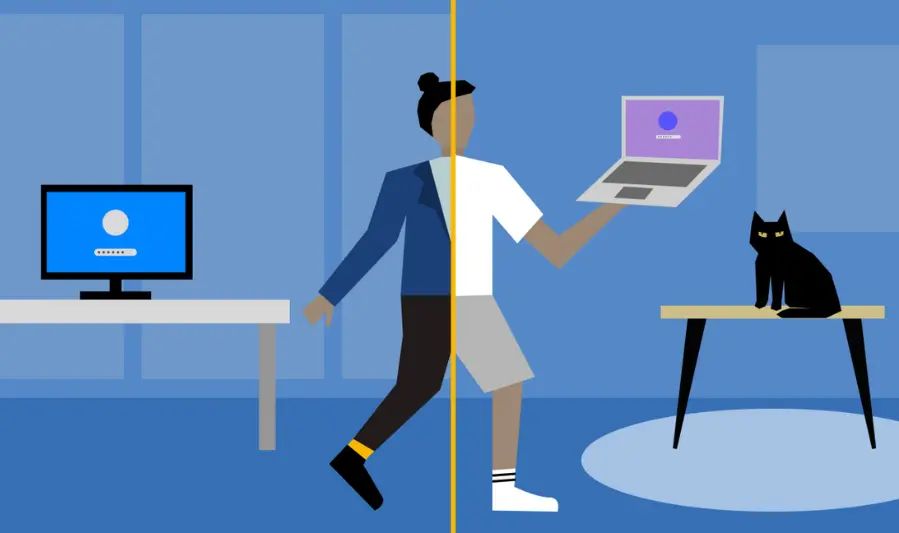
Hybrid and flexible work models have moved from temporary solutions to long-term workplace strategies, reshaping how organizations operate and employees perform.
Evolution from Remote to Hybrid Work
Transition to Balanced Work Models
Organizations are shifting from fully remote setups to hybrid work models that combine in-office and remote work. This evolution allows businesses to maintain collaboration while offering employees greater autonomy.
Flexible Schedules and Location-Independent Roles
Empowering Work-Life Balance
Flexible working hours and location-independent roles enable employees to manage personal and professional responsibilities more effectively, increasing job satisfaction and engagement.
Impact on Productivity and Retention
Enhancing Performance and Employee Satisfaction
Hybrid work models often lead to improved productivity, higher employee satisfaction, and stronger retention by reducing burnout and increasing flexibility.
Challenges and Solutions in Managing Hybrid Teams
Communication, Collaboration, and Accountability
Managing hybrid teams presents challenges such as communication gaps, performance tracking, and team cohesion. Organizations can address these through clear policies, collaboration tools, regular check-ins, and outcome-based performance management.
Artificial Intelligence and Automation in the Workplace
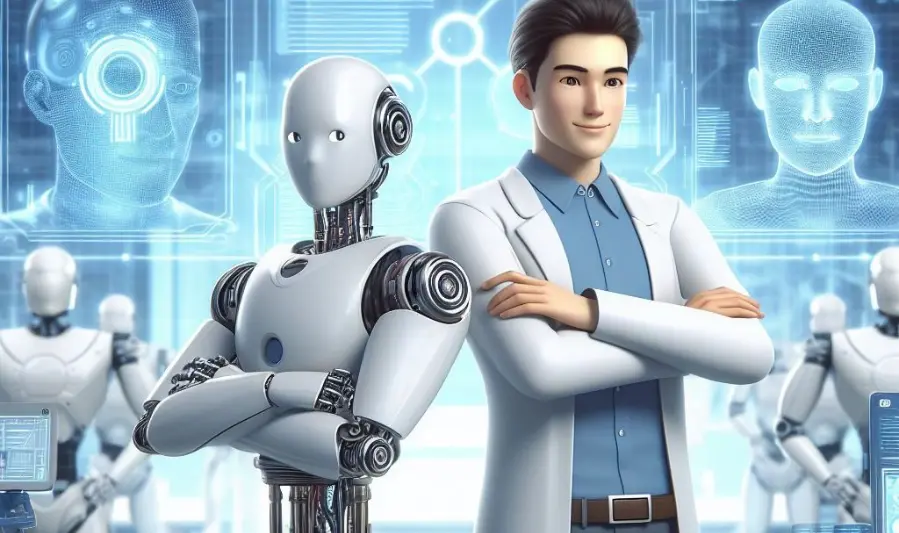
Artificial intelligence and automation are transforming how work is performed, enabling organizations to operate more efficiently while reshaping job roles and skills requirements.
AI-Powered Tools in Daily Work
Communication, Data Analysis, and Decision-Making
AI-driven tools support smarter communication, real-time data analysis, and faster, more accurate decision-making, helping teams improve productivity and strategic outcomes.
Automation of Repetitive Tasks
Increasing Efficiency and Reducing Manual Work
Automation handles routine and time-consuming tasks, allowing employees to focus on higher-value activities such as problem-solving, creativity, and innovation.
Redefining Job Roles
Creating New Career Paths and Skill Demands
As automation takes over repetitive tasks, job roles are evolving. New career paths are emerging in areas like AI management, data science, and digital operations, requiring continuous upskilling.
Ethical Considerations and Responsible AI Usage
Ensuring Transparency, Fairness, and Trust
Organizations must address ethical concerns such as data privacy, bias, and accountability. Responsible AI usage involves transparent systems, fair algorithms, and human oversight to build trust among employees and stakeholders.
Employee Well-Being and Mental Health Focus
Employee well-being and mental health have become top priorities for organizations, directly influencing productivity, engagement, and long-term retention.
Mental Health as a Core Workplace Priority
Integrating Well-Being into Workplace Policies
Organizations are embedding mental health initiatives into core policies, recognizing the importance of emotional and psychological well-being alongside physical health.
Work-Life Balance and Burnout Prevention
Stress Management and Sustainable Performance
Promoting work-life balance through flexible schedules, realistic workloads, and stress management programs helps prevent burnout and supports sustainable employee performance.
Employee Assistance and Wellness Programs
Counseling, Wellness Benefits, and Support Services
Employee assistance programs (EAPs), mental health counseling, wellness benefits, and fitness initiatives provide employees with resources to manage stress and maintain overall well-being.
Creating Psychologically Safe Workplaces
Building Supportive and Inclusive Environments
Psychological safety encourages employees to speak openly, share ideas, and seek help without fear. Supportive leadership and inclusive cultures foster trust, collaboration, and resilienc
Skills-Based Workforce and Continuous Learning
Organizations are increasingly prioritizing skills over traditional qualifications, recognizing continuous learning as essential for future-ready workforces.
Shift to Skills-Based Hiring
Moving Beyond Traditional Degrees and Titles
Employers are focusing more on practical skills, competencies, and real-world experience rather than solely relying on formal degrees or job titles. This approach broadens talent pools and improves hiring accuracy.
Upskilling and Reskilling for the Future
Preparing Employees for Evolving Roles
Rapid technological change requires employees to continuously upgrade existing skills (upskilling) and learn new ones (reskilling) to remain relevant and adaptable in future roles.
Online Learning and Micro-Credentials
Flexible and Accessible Skill Development
Online learning platforms, certifications, and micro-credentials offer flexible, cost-effective ways for employees to acquire in-demand skills and demonstrate competency quickly.
Building a Culture of Continuous Learning
Encouraging Growth, Curiosity, and Adaptability
Organizations that foster continuous learning empower employees to grow professionally, embrace change, and contribute to long-term innovation and business success.
Diversity, Equity, and Inclusion (DEI) in Action
DEI is moving beyond policy statements to actionable strategies that shape workplace culture, leadership, and long-term organizational success.
Inclusive Hiring and Unbiased Recruitment
Creating Fair and Accessible Hiring Processes
Organizations are adopting inclusive hiring practices such as diverse candidate sourcing, structured interviews, and bias-reduction techniques to ensure fair evaluation and equal opportunity.
Building Diverse Leadership Teams
Representation at All Levels
Developing diverse leadership teams strengthens decision-making, innovation, and employee trust by ensuring representation across different backgrounds and perspectives.
Creating Equitable Growth Opportunities
Equal Access to Development and Advancement
Equity-focused initiatives provide fair access to training, mentorship, promotions, and leadership development, enabling all employees to grow and succeed.
Measuring the Impact of DEI Initiatives
Tracking Progress and Accountability
Organizations measure DEI effectiveness through metrics such as representation, promotion rates, pay equity, and employee engagement, ensuring accountability and continuous impr
You may also like to read these posts:
Top Latest Fashion Style Trends to Update Your Wardrobe
Luxury Living Lifestyle Secrets for a Premium Way of Life
How AI Is Shaping the Future in 2026: Key Headlines You Should Know
Latest Job Openings and Career Opportunities Today
How to Hire Talent: A Step-by-Step Guide for Employers
Digital Collaboration and Smart Workplaces
Digital collaboration and smart workplace technologies are redefining how teams connect, communicate, and perform in increasingly distributed work environments.
Advanced Collaboration Tools
Virtual Meeting Platforms and Teamwork Software
Modern collaboration tools enable seamless communication through video conferencing, instant messaging, shared documents, and real-time project management, supporting efficient teamwork across locations.
Smart Office Technologies
IoT, Automation, and Data-Driven Work Environments
Smart offices leverage Internet of Things (IoT) devices, automation, and data analytics to optimize space utilization, enhance energy efficiency, and improve employee comfort and productivity.
Remote Collaboration and Virtual Workspaces
Virtual Reality and Immersive Work Environments
Virtual and augmented reality technologies are enabling immersive remote collaboration, virtual meetings, and training environments, bridging the gap between physical and digital workplaces.
Cybersecurity and Data Privacy Challenges
Protecting Information in Digital Workspaces
As digital collaboration increases, organizations must address cybersecurity risks and data privacy challenges by implementing strong security measures, employee training, and compliance frameworks.
Faqs:
What are the key workplace trends to watch in 2026?
Key trends include hybrid and flexible work, AI and automation, employee well-being, skills-based hiring, DEI initiatives, digital collaboration, and sustainability-focused workplaces.
How is hybrid work changing the workplace in 2026?
Hybrid work allows employees to split time between office and remote work, improving flexibility, productivity, and work-life balance while requiring effective team management strategies.
Why is employee well-being a major focus in 2026?
Companies are prioritizing mental health, stress management, and burnout prevention to boost productivity, retention, and create a supportive work environment.
How does AI impact jobs and productivity in the workplace?
AI automates repetitive tasks, enhances decision-making, and enables human-AI collaboration, allowing employees to focus on higher-value, creative, and strategic work.
What role does sustainability play in the workplace in 2026?
Sustainability initiatives, eco-friendly practices, and purpose-driven cultures attract talent, improve employer branding, and support long-term business growth.
Conclusion
The workplace in 2026 will be shaped by hybrid work models, AI and automation, employee well-being initiatives, skills-based hiring, diversity and inclusion, digital collaboration, and sustainability-focused practices. Organizations and professionals who embrace these trends will be better equipped to drive productivity, foster innovation, and thrive in the evolving future of work.