
Introduction
Meaning and Importance of Professional Growth
Professional growth refers to the continuous development of skills, knowledge, and experiences that help individuals advance in their careers. It is essential for long-term success, job satisfaction, and adaptability in an ever-changing work environment.
Why Professional Growth Strategies Matter in Today’s Competitive Job Market
In today’s highly competitive job market, relying solely on experience is no longer enough. Strategic professional growth helps individuals stay relevant, improve performance, and stand out among peers. These strategies enable professionals to embrace change, leverage new opportunities, and achieve career stability.
What Readers Will Gain From This Guide
This guide will provide readers with practical insights and actionable strategies to:
- Understand the foundations of professional growth
- Build essential skills for career advancement
- Develop confidence and leadership qualities
- Create a clear roadmap for long-term career success
Understanding Professional Growth
Difference Between Professional Growth and Career Growth

Professional growth focuses on developing skills, knowledge, and competencies that enhance your overall effectiveness and value as a professional. It emphasizes personal improvement and capability building.
Career growth, on the other hand, is about advancement in position, title, or compensation. While career growth often results from professional growth, the two are not the same—professional growth is the foundation that supports long-term career progression.
Short-Term vs. Long-Term Professional Development
Professional development can be both short-term and long-term:
- Short-term professional development includes learning new tools, improving communication skills, or completing training programs that deliver immediate benefits.
- Long-term professional development focuses on building expertise, leadership abilities, and strategic thinking that shape sustained career success over time.
Self-Assessment: Identifying Strengths and Weaknesses
Self-assessment is a critical step in professional growth. By evaluating your current skills, performance, and behaviors, you can identify strengths to build upon and weaknesses that need improvement. Regular self-reflection helps you set realistic goals, choose the right development strategies, and track progress effectively.
Setting Clear Career and Development Goals

Defining Professional Objectives
Defining clear professional objectives helps provide direction and purpose to your career journey. These objectives should reflect your skills, interests, and long-term aspirations, allowing you to focus your efforts on meaningful growth and measurable progress.
Using SMART Goal-Setting Techniques
To ensure your goals are effective and achievable, apply the SMART framework:
- Specific: Clearly outline what you want to accomplish.
- Measurable: Set criteria to track progress and success.
- Achievable: Ensure goals are realistic given your resources and capabilities.
- Relevant: Align goals with your career vision and professional values.
- Time-bound: Establish deadlines to maintain motivation and accountability.
Aligning Personal Goals With Organizational Goals
Aligning your personal development goals with your organization’s objectives creates mutual value. When your growth supports company goals, you increase your impact, visibility, and opportunities for advancement while contributing meaningfully to organizational success.
Continuous Learning and Skill Development
Importance of Upskilling and Reskilling
In a rapidly evolving job market, upskilling and reskilling are essential for staying relevant and competitive. Upskilling helps you deepen existing competencies, while reskilling enables you to learn new abilities that align with changing industry demands. Both play a crucial role in long-term professional growth and job security.
Technical Skills vs. Soft Skills
A balanced skill set includes both technical and soft skills.
- Technical skills involve job-specific knowledge such as software expertise, data analysis, or industry tools.
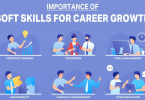
- Soft skills include communication, teamwork, adaptability, and leadership, which are critical for collaboration and career advancement.
Developing both ensures well-rounded professional development.
Certifications, Workshops, and Online Learning Platforms
Formal learning opportunities accelerate skill development and credibility.
- Certifications validate expertise and enhance employability.
- Workshops provide practical, hands-on learning experiences.
- Online learning platforms offer flexible access to courses and resources, making continuous learning more accessible and effective.
Building and Expanding Professional Networks
Importance of Networking for Career Advancement
Networking is a key driver of career growth. It helps you gain insights, learn from others’ experiences, uncover new opportunities, and increase your visibility within your industry. Strong professional connections can open doors to mentorship, collaborations, and career advancement.
Offline Networking: Events, Conferences, Seminars
Participating in in-person events like conferences, seminars, and workshops allows you to engage directly with industry professionals. These settings provide opportunities for meaningful conversations, knowledge exchange, and establishing trust-based relationships that can lead to future opportunities.
Online Networking: LinkedIn and Professional Communities
Digital platforms such as LinkedIn and specialized professional communities expand your networking reach. You can:
- Connect with peers, mentors, and industry leaders globally
- Share professional achievements and insights to build your personal brand
- Join discussion groups and forums to stay updated and actively participate in industry conversations
Seeking Feedback and Mentorship
Role of Feedback in Professional Improvement
Constructive feedback is essential for professional growth. It helps you understand your strengths, identify areas for improvement, and make informed adjustments to enhance performance. Regular feedback ensures continuous development and positions you for future opportunities.
How to Ask for and Apply Constructive Feedback
Effectively seeking feedback requires clarity and openness:
- Ask specific questions about your performance or areas of improvement.
- Be receptive and avoid defensiveness.
- Actively implement suggestions to demonstrate growth and commitment.
Finding Mentors and Learning From Experienced Professionals
Mentorship accelerates learning and career advancement. Experienced mentors can:
- Offer guidance on navigating career challenges
- Share insights and lessons from their professional journey
- Introduce you to valuable networks and opportunities
You may also like to read these posts:
System Architecture Design Tips for Building Better System
Top Latest Fashion Style Trends to Update Your Wardrobe
Luxury Living Lifestyle Secrets for a Premium Way of Life
How AI Is Shaping the Future in 2026: Key Headlines You Should Know
Latest Job Openings and Career Opportunities Today
Developing Leadership and Initiative
Leadership Skills for Professionals at All Levels
Leadership is not limited to managerial roles. Professionals at every level can develop leadership qualities such as accountability, vision, and influence. Demonstrating leadership inspires trust, motivates colleagues, and contributes to team and organizational success.
Taking Initiative and Ownership at Work
Proactively volunteering for tasks and projects shows your commitment and reliability. Taking ownership of responsibilities ensures that you deliver results, solve problems efficiently, and position yourself as a dependable and valuable team member.
Decision-Making and Problem-Solving Skills
Strong decision-making and problem-solving abilities are critical for effective leadership. Analyzing challenges, evaluating options, and implementing solutions with confidence demonstrates competence and helps drive both individual and organizational success.
Faqs:
What are professional growth strategies?
Professional growth strategies are planned actions and practices that help individuals improve skills, increase productivity, and advance their careers.
Why is professional growth important?
It ensures you stay competitive, build confidence, improve performance, and achieve long-term career success.
How can continuous learning aid professional growth?
Learning new skills and staying updated with industry trends helps you remain relevant and opens new career opportunities.
How does networking contribute to professional growth?
Networking connects you with mentors, industry experts, and peers, providing guidance, opportunities, and insights for advancement.
Can maintaining work-life balance impact professional growth?
Yes, balancing work and personal life prevents burnout, boosts productivity, and supports sustainable long-term career development.
Conclusion
Implementing effective professional growth strategies is essential for long-term career success. By setting clear goals, continuously upgrading skills, building strong networks, seeking mentorship, and maintaining a healthy work-life balance, you can enhance your performance and unlock new opportunities. Consistency, adaptability, and proactive effort are the keys to achieving sustainable professional growth and advancing your career confidently.