
Introduction
Importance of Securing a Full-Time Job for Career Stability
A full-time job provides financial security, professional growth, and long-term career stability. It also helps build experience, industry connections, and a strong foundation for future opportunities.
How Checking Full-Time Job Openings Regularly Gives a Competitive Advantage
Regularly monitoring full-time job openings ensures you are among the first applicants, increasing your chances of selection. Staying updated also helps you identify industry trends and required skills early.
Overview of What Readers Will Learn in This Post
This post will guide readers on where to find full-time job openings, how to apply effectively, which industries are hiring, and strategies for candidates at different experience levels. By following these tips, readers can strengthen their job search and enhance career opportunities.
Understanding Full-Time Job Opportunities
Difference Between Full-Time, Part-Time, and Freelance Work
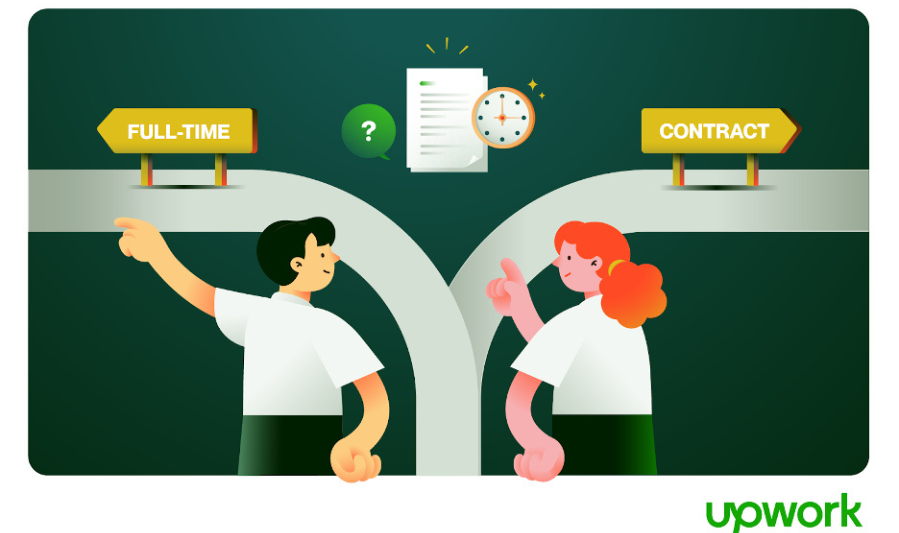
Understanding the types of employment helps job seekers make informed decisions.
Full-Time Jobs
- Standard working hours, usually 40+ per week
- Fixed salary and benefits
- Long-term career growth opportunities
Part-Time Jobs
- Reduced working hours
- Limited benefits
- Ideal for students or secondary income
Freelance / Contract Work
- Flexible schedule with project-based payment
- No guaranteed benefits or long-term security
- Opportunities to work with multiple clients
Benefits of Full-Time Employment: Stability, Benefits, Career Growth
Full-time roles provide consistent income, job security, and professional development opportunities.
Key Benefits
- Financial stability with regular salary
- Health insurance, pensions, and other benefits
- Career advancement and skill development
- Stronger networking and mentorship opportunities
Current Trends in Full-Time Hiring Across Industries
The full-time job market is evolving due to technological advancements and changing workforce needs.
Hiring Trends
- Increased demand in IT, healthcare, finance, and e-commerce
- Growth of remote full-time positions
- Focus on candidates with adaptable skills and experience
- Emphasis on performance-based roles and professional growth
Categories of Full-Time Job Openings
3.1 Government Full-Time Jobs
Administrative, Healthcare, Teaching, and Technical Roles
Government full-time jobs are available at federal, provincial, and local levels. Positions include administrative officers, healthcare professionals, teachers, engineers, and technical specialists.
Eligibility Criteria, Benefits, and Application Process
- Eligibility: Education, age, experience, and domicile requirements
- Application Process: Online applications, written tests, interviews, and document verification
- Benefits: Job security, pension plans, health insurance, allowances, and structured career growth
3.2 Private Sector Full-Time Jobs
Corporate, SME, and Startup Opportunities
Private companies hire full-time employees across sectors like IT, marketing, finance, operations, and management. Opportunities exist in large corporations, small and medium enterprises (SMEs), and startups.
Career Advancement, Performance Incentives, and Skill Development
- Promotions and salary growth tied to performance
- Exposure to dynamic work environments and innovative projects
- Skill enhancement through training and professional development programs
3.3 Corporate & Multinational Full-Time Jobs
Structured Career Paths and Professional Training
Multinational corporations offer structured roles with defined career paths, mentorship programs, and professional training opportunities.
Exposure to International Work Standards and Employee Benefits
- Access to global best practices and organizational culture
- Competitive salaries and comprehensive benefits
- Opportunities for international assignments and career growth
Top Industries Hiring Full-Time Employees
Information Technology & Software Development
The IT and software industry continues to grow, offering full-time roles for software developers, web designers, data analysts, cybersecurity experts, and IT support specialists.
Key Skills in IT
- Programming and software development
- Cloud computing and cybersecurity
- Data analysis and artificial intelligence
- Mobile and web application development
Healthcare & Medical Services
Healthcare is a critical sector with full-time opportunities in hospitals, clinics, and laboratories. Positions include doctors, nurses, lab technicians, pharmacists, and healthcare administrators.
In-Demand Healthcare Positions
- Doctors and nurses
- Paramedical staff and technicians
- Healthcare management and administrative roles
Education & Training
Education sector hiring includes teachers, lecturers, trainers, and coordinators. Online learning platforms and coaching centers have also increased demand for skilled educators.
Key Roles in Education
- Teachers and lecturers
- Online tutors and course developers
- Training coordinators and academic consultants
Banking & Finance
Banks, financial institutions, and fintech companies hire full-time employees for operations, accounting, auditing, financial analysis, and customer relationship management roles.
Popular Positions in Banking & Finance
- Bank officers and relationship managers
- Accountants and auditors
- Financial analysts and advisors
Retail & E-commerce
Retail and e-commerce sectors are expanding rapidly, offering jobs in sales, logistics, marketing, and customer service. Online marketplaces and delivery services have created new career opportunities.
Key Roles in Retail & E-commerce
- Sales executives and store managers
- Digital marketing and e-commerce specialists
- Supply chain, logistics, and customer support roles
Full-Time Jobs for Different Experience Levels
Entry-Level / Fresh Graduates
Fresh graduates can find full-time opportunities across industries such as IT, marketing, education, healthcare, and customer service. Employers look for basic skills, adaptability, and enthusiasm to learn.
Common Entry-Level Positions
- Junior software developers and IT support staff
- Sales executives and customer service representatives
- Teaching assistants and coordinators
- Management trainees and interns
Tips for Fresh Graduates
- Gain relevant internships or online certifications
- Build a professional CV and LinkedIn profile
- Apply consistently to new job openings
Mid-Level Professionals
Mid-level professionals usually have 3–7 years of experience and are hired for specialized, supervisory, or project-focused roles in full-time positions.
Popular Mid-Level Positions
- Team leads and project managers
- Senior analysts and specialists
- Account managers and coordinators
Career Growth for Mid-Level Professionals
- Higher salaries and benefits
- Leadership and decision-making responsibilities
- Opportunities to advance to senior management roles
Senior Management and Executive Roles
Senior-level positions focus on strategic planning, leadership, and organizational growth. These full-time roles require extensive experience, expertise, and strong decision-making skills.
Common Senior-Level Positions
- Directors, department heads, and managers
- CEOs, COOs, and CFOs
- Senior consultants and advisors
Key Skills for Senior Roles
- Strategic planning and leadership
- Business development and stakeholder management
- Effective communication and problem-solving
Where to Find Full-Time Job Openings
Trusted Job Portals
Online job portals are a primary source for discovering full-time job openings across industries. Popular platforms include Indeed, Rozee, BrightSpyre, and others.
Tips for Using Job Portals
- Create a complete profile highlighting your skills and experience
- Set up job alerts for roles relevant to your field
- Apply early to increase chances of selection
Company Career Pages
Many organizations post full-time vacancies directly on their official career pages. Regularly checking these ensures you don’t miss specialized or high-demand roles.
Advantages of Company Career Pages
- Direct access to company-specific openings
- Accurate and up-to-date job information
- Opportunity to apply directly without third-party intermediaries
Government Recruitment Websites
Official government portals list full-time positions at federal, provincial, and local levels. These websites provide eligibility criteria, application forms, and deadlines.
How to Use Government Websites Effectively
- Check eligibility requirements carefully
- Track application deadlines and required documents
- Prepare for any exams or interviews if needed
Professional Networks
Platforms like LinkedIn, Facebook groups, and Twitter are increasingly used to post full-time job opportunities. Networking through these channels can also lead to unadvertised positions.
Tips for Using Professional Networks
- Follow industry leaders and HR professionals
- Join groups related to your field or industry
- Share your skills and accomplishments to attract recruiters
You may also like to read these posts:
System Architecture Design Tips for Building Better System
Top Latest Fashion Style Trends to Update Your Wardrobe
Luxury Living Lifestyle Secrets for a Premium Way of Life
How AI Is Shaping the Future in 2026: Key Headlines You Should Know
Latest Job Openings and Career Opportunities Today
How to Apply Effectively
Preparing a Strong CV and Cover Letter
A professional CV and cover letter are the first impression you make on employers. They should clearly highlight your skills, experience, and accomplishments.
CV Tips
- Keep it concise, organized, and easy to read
- Highlight relevant skills, achievements, and experience
- Use action verbs and bullet points for clarity
- Include keywords from the job description
Cover Letter Tips
- Personalize it for each job application
- Explain why you are a strong fit for the role
- Keep it professional, concise, and engaging
- Show enthusiasm for the company and position
Tailoring Applications for Each Job Posting
Generic applications are less likely to get noticed. Tailoring your CV and cover letter to each role increases your chances of being shortlisted.
How to Tailor Applications
- Match your skills and experience to the job requirements
- Highlight relevant projects and achievements
- Adjust keywords to align with the job description
Tracking Applications and Deadlines
Organized tracking helps ensure you don’t miss deadlines and can follow up appropriately.
Tips for Tracking
- Use spreadsheets or job tracking apps
- Record application dates, responses, and follow-ups
- Set reminders for interviews and additional requirements
Interview Preparation Tips
Preparing for interviews boosts confidence and improves your chances of success.
Key Interview Preparation Steps
- Research the company and role thoroughly
- Practice common interview questions and answers
- Prepare thoughtful questions to ask the interviewer
- Dress professionally and maintain positive body language
Faqs:
Where can I find full-time job openings today?
You can find daily updates on trusted job portals, company career pages, government recruitment websites, and professional networks like LinkedIn.
Can fresh graduates apply for full-time jobs?
Yes, many entry-level positions, trainee programs, and internships lead to full-time employment suitable for fresh graduates.
Are online applications safe for full-time jobs?
Yes, as long as you use verified websites and official company portals. Avoid sharing sensitive information on untrusted platforms.
How often are full-time job openings updated?
Many companies and government departments post new full-time vacancies daily, while some update weekly or monthly.
What documents are typically required for applying for a full-time job?
Usually a CV/resume, cover letter, educational certificates, experience letters (if applicable), and identification documents are required.
Conclusion
Keeping track of full-time job openings is essential for building a stable and successful career. Whether you are seeking government, private, or corporate roles, staying updated allows you to apply strategically and maximize your chances of success. By preparing a strong CV, applying on time, and using trusted sources, you can secure the right opportunity. Consistency, persistence, and preparation are key—your next full-time career opportunity could be just one application away.