
Introduction
What is Career Growth?
Career growth refers to the continuous development of your professional skills, knowledge, and experience. It allows you to take on higher responsibilities, unlock new opportunities, and achieve personal and professional fulfillment.
Why Career Growth is Important
Investing in your career growth ensures you remain competitive in a constantly evolving job market. It opens doors to promotions, better roles, and recognition within your organization.
How Skills Accelerate Career Advancement
Developing the right skills enhances your performance and positions you as a valuable professional. By focusing on key competencies, you can accelerate opportunities and achieve faster career progression.
Skills You Will Learn About
In this article, we will cover essential skills for career growth, including:
- Leadership
- Communication
- Problem-solving
- Adaptability
- Continuous learning
These skills will serve as a roadmap for long-term professional success.
Communication Skills
Effective communication is a cornerstone of career growth. Professionals who can convey ideas clearly, listen actively, and adapt their style to different audiences stand out in any workplace.
Verbal Communication
Speak Clearly and Concisely
Clear and concise speaking is essential in meetings, presentations, and daily interactions. It helps you express ideas confidently, avoid misunderstandings, and leave a lasting impression on colleagues and leaders.
Written Communication
Craft Professional Emails and Reports
Strong written communication ensures your messages are understood, actionable, and reflect your professionalism. This includes emails, reports, proposals, and other written correspondence.
Active Listening
Understand, Empathize, and Respond
Active listening involves fully understanding others, showing empathy, and responding thoughtfully. By listening attentively, you can build stronger relationships, resolve conflicts, and make informed decisions.
Adapting to Your Audience
Tailor Language and Style
Adjusting your communication based on the listener or situation is key. Whether speaking to a manager, client, or team member, adapting ensures your message resonates and achieves the desired outcome.
Leadership and Initiative
Strong leadership and initiative are vital skills for career growth. Professionals who take ownership, make informed decisions, and proactively solve problems are more likely to advance and be recognized.
Taking Ownership
Be Responsible for Tasks and Outcomes
Taking ownership means being accountable for your work and its results. By accepting responsibility, you demonstrate reliability, build trust, and earn respect from colleagues and managers.
Decision-Making Skills
Evaluate Options and Make Informed Choices
Effective leaders assess situations, weigh alternatives, and make well-informed decisions. Strong decision-making minimizes errors, boosts team confidence, and drives organizational success.
Problem-Solving
Identify Challenges and Propose Solutions
Problem-solving involves recognizing obstacles and developing actionable solutions. Proactive problem-solvers contribute to efficiency, innovation, and overall team performance.
Proactive Attitude
Volunteer for Challenging Projects
A proactive attitude means seeking opportunities, volunteering for difficult tasks, and showing initiative. This demonstrates leadership potential and positions you for faster career growth.
Technical Skills
In today’s competitive job market, technical skills are essential for career growth. Mastery of industry-specific tools, digital literacy, and staying updated with trends ensures you remain valuable and effective in your role.
Industry-Specific Skills
Master Tools and Knowledge in Your Field
Industry-specific skills involve understanding the tools, software, and processes unique to your profession. Excelling in these areas enhances productivity and makes you a go-to expert in your team.
Digital Literacy
Gain Proficiency in Technology and Software
Digital literacy ranges from basic computer skills to advanced software proficiency relevant to your job. Strong digital skills improve efficiency, communication, and the ability to leverage technology effectively.
Continuous Learning
Attend Workshops and Gain Certifications
Continuous learning keeps your skills sharp and relevant. Participating in workshops, online courses, and certifications not only enhances your knowledge but also signals commitment to professional growth.
Staying Updated
Follow Industry Trends and Innovations
Keeping up with industry trends, emerging technologies, and best practices ensures you remain competitive. Staying informed allows you to anticipate changes and adapt quickly to new challenges.
Time Management and Productivity
Effective time management and productivity skills are essential for career growth. Professionals who manage their time wisely can achieve more, reduce stress, and deliver high-quality work consistently.
Prioritization
Identify Urgent vs. Important Tasks
Prioritization involves distinguishing between tasks that are urgent and those that are important. Focusing on high-impact activities ensures that your efforts contribute meaningfully to your goals.
Planning
Use Schedules, To-Do Lists, and Calendars
Planning helps organize your day and allocate time efficiently. Using tools like calendars, task lists, and schedules ensures that deadlines are met and responsibilities are managed effectively.
Avoiding Procrastination
Stay Focused and Meet Deadlines
Procrastination can hinder productivity and slow career growth. Strategies like breaking tasks into smaller steps, setting deadlines, and eliminating distractions help maintain focus and accomplish goals on time.
Productivity Tools
Leverage Software and Apps
Using productivity tools and apps can streamline your workflow, track progress, and optimize efficiency. From task managers to time trackers, these tools support effective work habits and better time utilization.
Networking and Relationship Building
Strong professional relationships can accelerate career growth by opening doors to new opportunities, knowledge, and mentorship. Networking effectively allows you to connect with people who can support and guide your career journey.
Building Connections
Connect with Colleagues, Industry Peers, and Leaders
Building meaningful relationships with colleagues and industry professionals strengthens your support network. These connections can provide guidance, collaboration opportunities, and potential career referrals.
Online Networking
Utilize LinkedIn, Forums, and Professional Communities
Online platforms like LinkedIn, specialized forums, and professional communities are valuable tools for expanding your network. Engaging with others online helps you stay visible and informed in your industry.
Offline Networking
Attend Conferences, Seminars, and Workshops
In-person networking through conferences, seminars, and workshops allows for deeper relationship building. Face-to-face interactions can leave a lasting impression and create opportunities for collaboration.
Mentorship
Find Mentors and Learn from Experienced Professionals
Mentorship provides guidance, advice, and insights from those who have navigated similar career paths. Seeking mentors helps you avoid common pitfalls and accelerates your professional growth.
You may also like to read these posts:
System Architecture Design Tips for Building Better System
Top Latest Fashion Style Trends to Update Your Wardrobe
Luxury Living Lifestyle Secrets for a Premium Way of Life
How AI Is Shaping the Future in 2026: Key Headlines You Should Know
Latest Job Openings and Career Opportunities Today
Adaptability and Problem-Solving
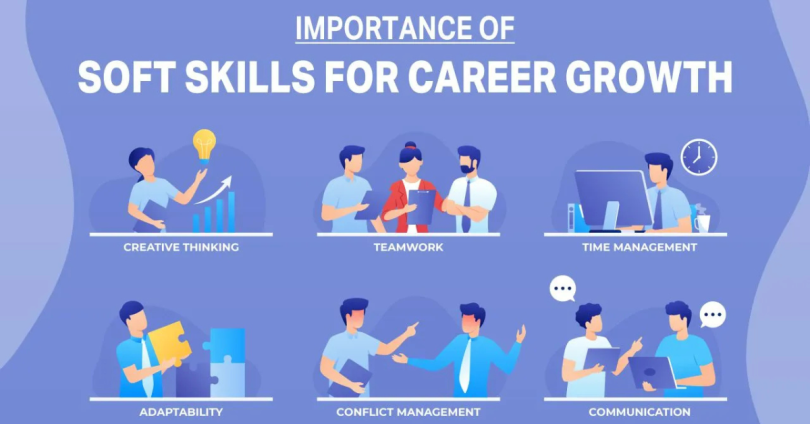
Adaptability and problem-solving are critical skills in today’s fast-paced work environment. Professionals who can adjust to change, think creatively, and solve problems effectively are highly valued and positioned for career growth.
Embracing Change
Stay Flexible in Dynamic Work Environments
Being adaptable means adjusting to new processes, technologies, or organizational changes. Flexibility allows you to thrive in shifting environments and remain productive despite uncertainties.
Creative Thinking
Develop Innovative Solutions to Challenges
Creative thinking involves approaching problems from new perspectives and generating innovative solutions. It helps you overcome obstacles efficiently and adds value to your team and organization.
Strategic Problem-Solving
Analyze Situations and Make Logical Decisions
Strategic problem-solving requires evaluating challenges, considering alternatives, and choosing the best course of action. This skill minimizes risks and ensures consistent, effective outcomes.
Resilience
Maintain Performance Under Pressure and Learn from Setbacks
Resilience allows you to recover quickly from setbacks and maintain high performance. Learning from failures and staying focused under pressure strengthens your professional growth and confidence.
Faqs:
What are the most important skills for career growth?
The key skills include communication, leadership, technical proficiency, time management, adaptability, problem-solving, and networking. Developing these skills enhances performance and opens new opportunities.
How can I improve my communication skills?
You can improve by practicing clear verbal and written communication, actively listening, adapting to your audience, and seeking feedback to refine your approach.
Why is adaptability important in a professional setting?
Adaptability allows you to thrive in changing environments, respond to challenges effectively, and stay relevant in a fast-evolving job market. It is highly valued by employers.
How do technical skills impact career growth?
Technical skills ensure you can perform tasks efficiently, use industry tools effectively, and stay competitive. Continuous learning and staying updated with trends are essential to maintaining technical expertise.
Can networking really accelerate my career?
Yes. Networking helps you build relationships, gain mentorship, learn from peers, discover opportunities, and increase your visibility within your industry, all of which can accelerate career advancement.
Conclusion
Developing the right skills is essential for achieving career growth and long-term professional success. By focusing on communication, leadership, technical expertise, time management, networking, and adaptability, you can enhance your value, seize opportunities, and advance confidently in your career. Continuous learning and proactive effort will ensure you stay competitive and prepared for future challenges.