

Introduction
What is Talent Acquisition?
Talent acquisition is the strategic process of identifying, attracting, and hiring skilled professionals who align with an organization’s goals and culture. It goes beyond filling vacancies, focusing on building a strong workforce that drives long-term business success.
Importance of Effective Talent Acquisition
Effective talent acquisition reduces employee turnover, improves team performance, and enhances overall business outcomes. By selecting the right candidates, organizations can boost productivity, foster innovation, and maintain a competitive edge.
What You Will Learn
This post will guide readers through key aspects of talent acquisition, including workforce planning, employer branding, candidate sourcing, assessment and evaluation, onboarding, and retention strategies. Understanding these steps helps organizations secure top talent efficiently and sustainably.
Workforce Planning and Talent Needs Assessment
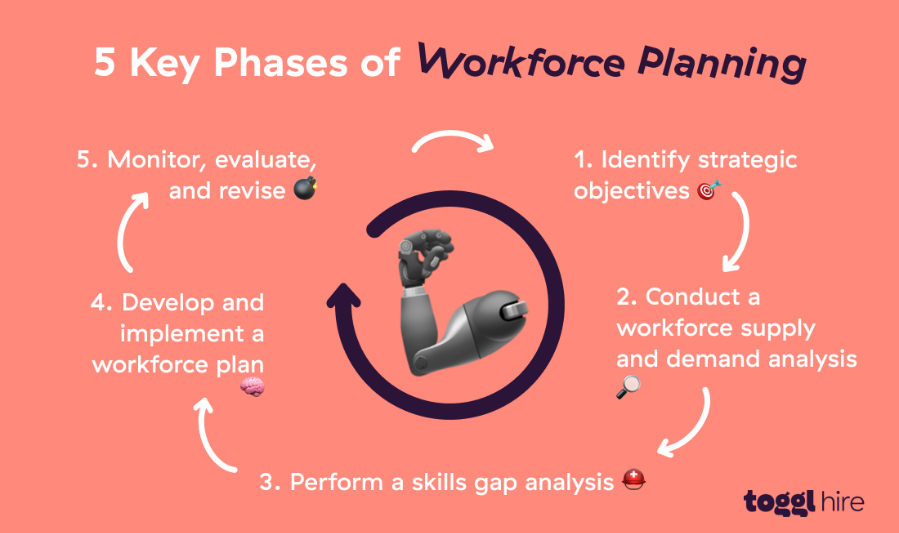
Effective workforce planning ensures that organizations hire the right talent at the right time, aligning staffing decisions with business goals.
Analyzing Staffing Requirements
Evaluate Current Workforce and Future Hiring Needs
Assess the organization’s existing workforce to identify strengths, weaknesses, and gaps. Determine which positions need to be filled immediately and which may arise in the future.
Identifying Skills Gaps
Determine Roles Requiring Immediate or Future Attention
Analyze current and projected business needs to pinpoint areas where additional skills or expertise are necessary. Addressing skills gaps ensures continuity and efficiency in operations.
Aligning with Business Goals
Ensure Recruitment Supports Organizational Strategy
Align talent acquisition efforts with strategic objectives to ensure new hires contribute to long-term business growth and organizational success.
Employer Branding

A strong employer brand helps attract top talent by showcasing the organization as a desirable place to work.
Building a Strong Reputation
Highlight Company Culture, Values, and Benefits
Communicate the organization’s mission, values, and employee benefits clearly to position the company as an attractive employer and differentiate it from competitors.
Promoting Culture Online
Leverage Social Media, Company Website, and Review Platforms
Use online channels to share insights about workplace culture, events, and employee experiences. Active engagement on platforms like LinkedIn and Glassdoor helps reach potential candidates effectively.
Showcasing Success Stories
Employee Testimonials, Achievements, and Awards
Highlight employee achievements, testimonials, and organizational awards to demonstrate a positive work environment and attract high-quality talent.
Sourcing Strategies
Effective sourcing strategies ensure organizations attract a diverse and qualified pool of candidates for both immediate and future hiring needs.
Internal Sourcing
Promotions, Transfers, and Employee Referrals
Leverage current employees through promotions, lateral transfers, and referral programs. Internal sourcing rewards talent, improves retention, and fills positions quickly with candidates familiar with company culture.
External Sourcing
Job Boards, Recruitment Agencies, Social Media, and Campus Recruitment
Attract candidates from outside the organization using online job portals, professional networks, recruitment agencies, social media platforms, and campus hiring events. This approach brings in fresh skills and perspectives.
Talent Pipeline Development
Maintain a Pool of Potential Candidates for Future Hiring Needs
Proactively build and nurture a talent pipeline to ensure readiness for upcoming vacancies. A strong pipeline reduces time-to-hire and strengthens workforce continuity.
Screening and Candidate Shortlisting
Screening and shortlisting streamline the recruitment process by focusing on candidates who best match the job requirements and organizational culture.
Resume and Application Review
Focus on Qualifications, Experience, and Skills
Carefully review resumes and applications to ensure candidates meet the necessary educational background, work experience, and skill requirements for the role.
Initial Screening Calls
Evaluate Communication, Motivation, and Basic Fit
Conduct phone or video screenings to assess candidates’ communication abilities, motivation for the role, and general alignment with the organization’s culture.
Shortlisting Criteria
Education, Experience, Technical Skills, Soft Skills, and Cultural Alignment
Shortlist candidates based on a combination of qualifications, relevant experience, technical and soft skills, and fit with company values to ensure long-term success.
Interviewing and Assessment
A structured approach to interviews and assessments ensures objective evaluation and helps identify candidates who are the best fit for both the role and the organization.
Structured Interviews
Behavioral, Technical, Situational, and Panel Interviews
- Behavioral interviews assess past experiences to predict future performance.
- Technical interviews evaluate job-specific knowledge and skills.
- Situational interviews present hypothetical scenarios to gauge problem-solving and decision-making abilities.
- Panel interviews involve multiple interviewers to provide diverse perspectives and reduce bias.
Skills and Aptitude Testing
Job-Specific Tests, Problem-Solving, and Analytical Assessments
Evaluate candidates’ technical expertise, cognitive abilities, and problem-solving skills to ensure they can meet the demands of the role.
Personality and Cultural Fit Assessments
Ensure Alignment with Organizational Values
Assess candidates’ behavior, interpersonal skills, and compatibility with company culture to predict teamwork and long-term engagement.
Combining Results
Use Assessment Outcomes Alongside Interview Performance
Integrate interview feedback with assessment results to form a comprehensive view of each candidate, enabling more accurate and informed hiring decisions.
You may also like to read these posts:
Top Latest Fashion Style Trends to Update Your Wardrobe
Luxury Living Lifestyle Secrets for a Premium Way of Life
How AI Is Shaping the Future in 2026: Key Headlines You Should Know
Latest Job Openings and Career Opportunities Today
How to Hire Talent: A Step-by-Step Guide for Employers
Diversity and Inclusion Strategies
Implementing diversity and inclusion strategies in talent acquisition enhances organizational performance and fosters an equitable workplace.
Inclusive Hiring Practices
Encourage Applications from Diverse Backgrounds
Promote job openings widely and ensure language in job descriptions is inclusive, attracting candidates from various demographics, experiences, and perspectives.
Bias Reduction
Use Structured Interview Scoring and Blind Resume Screening
Implement standardized evaluation methods and blind resume reviews to minimize unconscious bias and ensure fair assessments of all candidates.
Leveraging Diverse Talent Pools
Drive Innovation and Improved Decision-Making
A diverse workforce brings different perspectives, encourages creativity, and leads to better problem-solving and decision-making across the organization.
Faqs:
What is talent acquisition, and how is it different from recruitment?
Talent acquisition is a strategic, long-term approach to attracting and retaining top talent, while recruitment focuses on filling immediate job openings.
How can employer branding help attract top candidates?
A strong employer brand highlights company culture, values, and benefits, making the organization more appealing to skilled candidates.
What are effective sourcing strategies for talent acquisition?
Companies can use internal referrals, job portals, social media, recruitment agencies, campus hiring, and talent pipelines to source candidates efficiently.
Why is diversity and inclusion important in talent acquisition?
Inclusive hiring practices and diverse talent pools promote innovation, improve decision-making, and ensure a fair and equitable workplace.
How can onboarding improve employee retention?
Effective onboarding integrates new hires into the organization, clarifies their roles, provides support, and enhances engagement, which reduces turnover and boosts productivity.
Conclusion
Effective talent acquisition strategies are essential for attracting, assessing, and retaining top talent. By focusing on workforce planning, employer branding, sourcing, structured interviews, diversity and inclusion, and robust onboarding, organizations can build a strong and engaged workforce. Continuously refining these strategies ensures long-term success, improved performance, and sustained organizational growth.