
Introduction
Importance of Career Growth in Professional Life
Career growth is a vital aspect of professional life, shaping not only your financial stability but also your personal fulfillment and long-term success. Continuous growth ensures that you remain competitive, adaptable, and prepared for new challenges in your field.
How Following Proven Career Growth Tips Can Accelerate Success
By following proven career growth strategies, you can fast-track your professional development, unlock new opportunities, and position yourself as a valuable asset in your workplace. These tips help you enhance your skills, expand your network, and achieve your career goals more efficiently.
Overview of What Readers Will Learn in This Post
In this post, you will discover actionable tips and strategies to:
- Advance your career through skill development and professional networking
- Navigate promotions and leadership opportunities
- Build a roadmap for long-term success and fulfillment
Setting Clear Career Goals

Difference Between Short-Term and Long-Term Goals
Setting clear career goals begins with understanding the distinction between short-term and long-term objectives.
- Short-term goals are achievable within a few months to a year and help you gain immediate skills or experience. Examples include completing a certification, improving a specific skill, or taking on a small project.
- Long-term goals span several years and define your overall career vision, such as reaching a managerial position, transitioning to a new field, or starting your own business.
Using SMART Goals
To make your career goals effective and actionable, use the SMART framework:
- Specific: Clearly define what you want to achieve.
- Measurable: Identify metrics to track your progress.
- Achievable: Ensure the goal is realistic based on your resources and abilities.
- Relevant: Align goals with your career vision and values.
- Time-bound: Set a clear deadline to maintain focus and motivation.
Regular Review and Adjustment of Goals
Career goals are not static. Regularly reviewing and adjusting your goals ensures they remain aligned with your evolving skills, opportunities, and aspirations. Schedule quarterly or annual check-ins to evaluate progress, make necessary changes, and stay on track toward your ultimate career objectives.
Continuous Learning and Skill Development
Importance of Upgrading Technical and Soft Skills
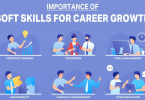
Continuous learning is essential for staying competitive and relevant in today’s fast-paced professional world. Upgrading both technical skills (like software proficiency, data analysis, or industry-specific expertise) and soft skills (such as communication, leadership, and problem-solving) ensures you can adapt to new challenges and take on higher responsibilities.
Online Courses, Workshops, and Certifications
Investing in formal learning opportunities can accelerate career growth. Consider:
- Online courses from platforms like Coursera, Udemy, or LinkedIn Learning for flexible skill-building.
- Workshops that provide hands-on experience and practical insights.
- Certifications that validate your expertise and make your resume more attractive to employers.
Staying Updated with Industry Trends and Innovations
To remain ahead in your field, regularly follow industry news, trends, and emerging technologies. Subscribe to relevant journals, blogs, and professional networks, and participate in webinars or conferences. Staying informed not only improves your decision-making but also positions you as a knowledgeable professional within your industry.
Networking and Building Professional Relationships

Attending Industry Events, Webinars, and Seminars
Participating in industry events, webinars, and seminars provides valuable opportunities to meet like-minded professionals, exchange ideas, and learn from experts. These events help you stay connected with the latest trends while expanding your professional circle.
Leveraging Professional Platforms Like LinkedIn
Online professional networks, especially LinkedIn, are powerful tools for career growth. You can:
- Connect with peers, industry leaders, and potential employers
- Share your achievements and insights to build a personal brand
- Join groups and communities relevant to your field to stay informed and engaged
Finding Mentors and Engaging with Industry Leaders
Mentorship accelerates career growth by providing guidance, feedback, and industry insights. Identify experienced professionals in your field who can:
- Advise on career decisions and skill development
- Help you navigate challenges and workplace dynamics
- Introduce you to valuable connections and opportunities
Seeking Feedback and Mentorship
Importance of Constructive Feedback
Constructive feedback is a crucial tool for professional growth. It helps you understand your strengths, identify weaknesses, and make informed decisions to improve performance. Regularly seeking feedback from supervisors, peers, and colleagues ensures continuous improvement and increases your value in the workplace.
Identifying Areas for Improvement
Analyzing feedback allows you to pinpoint specific areas for growth. Whether it’s technical skills, communication, or leadership abilities, recognizing these gaps helps you focus your learning and development efforts effectively.
Mentorship for Guidance and Career Advice
Mentors provide invaluable guidance by sharing experience, insights, and advice on navigating your career path. A strong mentor can:
- Offer strategies to overcome challenges
- Provide guidance on skill development and career planning
- Open doors to new opportunities through their professional network
Taking Initiative and Showing Leadership
Volunteering for Challenging Projects
Taking on challenging projects demonstrates your willingness to go beyond your routine responsibilities. It showcases your commitment, adaptability, and readiness to contribute to the team’s success, making you stand out as a proactive professional.
Problem-Solving and Decision-Making Skills
Effective leaders excel in problem-solving and decision-making. By approaching challenges with analytical thinking and creativity, you not only find solutions efficiently but also earn the trust and respect of colleagues and supervisors.
Taking Ownership of Responsibilities
Showing leadership means taking full ownership of your tasks and outcomes. Being accountable for both successes and mistakes reflects professionalism, builds credibility, and positions you as a reliable team member capable of handling greater responsibilities.
You may also like to read these posts:
System Architecture Design Tips for Building Better System
Top Latest Fashion Style Trends to Update Your Wardrobe
Luxury Living Lifestyle Secrets for a Premium Way of Life
How AI Is Shaping the Future in 2026: Key Headlines You Should Know
Latest Job Openings and Career Opportunities Today
Improving Communication Skills
Verbal and Written Communication Improvement
Strong communication skills are essential for career growth. Focus on expressing ideas clearly, confidently, and concisely, both in verbal conversations and written correspondence, including emails, reports, and presentations.
Active Listening and Adapting Communication to Audiences
Effective communication is not just about speaking—it’s also about listening. Practice active listening to understand others’ perspectives and adapt your message according to the audience, whether it’s colleagues, clients, or leadership.
Using Communication to Influence and Collaborate
Good communication fosters collaboration and influence. By clearly articulating ideas, providing constructive feedback, and engaging in open dialogue, you can build stronger professional relationships, gain support for initiatives, and drive team success.
Faqs:
How can I identify the right career growth opportunities?
Assess your strengths, interests, and industry trends to find opportunities aligned with your professional goals.
How important is networking for career growth?
Networking is crucial as it opens doors to mentorship, job opportunities, and industry insights.
What skills should I focus on for long-term career growth?
Both technical skills relevant to your field and soft skills like communication, leadership, and problem-solving are important.
How often should I update my career goals?
Review and adjust your career goals every 6–12 months or when you achieve a milestone or encounter changes in your industry.
Can maintaining work-life balance affect career growth?
Yes, maintaining balance prevents burnout, boosts productivity, and supports sustainable long-term career advancement.
Conclusion
Implementing these career growth tips can significantly enhance your professional journey. By setting clear goals, continuously upgrading your skills, building strong networks, seeking mentorship, and maintaining a healthy work-life balance, you can accelerate your career advancement. Consistency, proactive learning, and strategic planning are key—taking these steps today can lead to long-term success and fulfillment in your career.