
Introduction
What is Recruitment and Hiring?
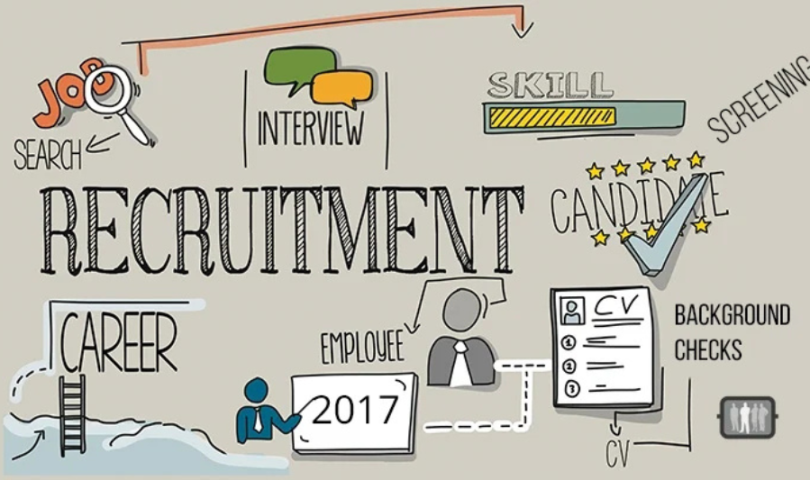
Recruitment and hiring refer to the structured processes organizations use to attract, evaluate, and select the best candidates for open positions. These processes are crucial for building a skilled workforce that drives organizational growth and success.
Why Recruitment and Hiring Matter
An effective recruitment and hiring process ensures that organizations bring in candidates who not only possess the necessary skills but also align with the company’s culture and long-term objectives. This reduces turnover, enhances productivity, and strengthens the overall team.
What You Will Learn
In this post, readers will explore key strategies, actionable tips, and best practices for effective recruitment and hiring. Topics include workforce planning, sourcing candidates, screening, interviewing, assessments, background checks, job offers, and onboarding—all designed to help organizations secure the right talent efficiently.
Understanding Recruitment and Hiring
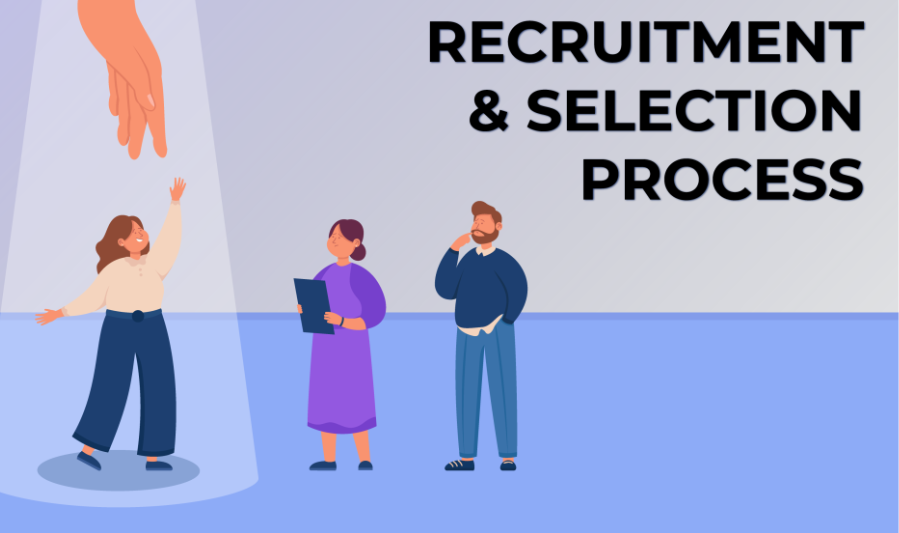
A clear understanding of recruitment and hiring helps organizations implement effective processes to attract and retain top talent.
Recruitment vs. Hiring
Recruitment: Attracting Candidates
Recruitment focuses on attracting a pool of qualified candidates through job postings, employer branding, networking, and outreach efforts.
Hiring: Selecting and Onboarding
Hiring involves evaluating candidates, making job offers, and integrating new employees into the organization through structured onboarding programs.
Role of Recruitment
Talent Acquisition and Employer Branding
Recruitment ensures a steady flow of potential candidates while maintaining a positive employer brand. A strong recruitment strategy builds a robust talent pool and positions the organization as an attractive workplace.
Hiring as a Completion
Making Offers and Integrating Candidates
Hiring completes the recruitment cycle by selecting the right candidate, extending a job offer, and ensuring smooth integration into the company. Effective onboarding is key to long-term retention and performance.
Workforce Planning and Job Analysis

Proper workforce planning and job analysis lay the foundation for effective recruitment and hiring. These steps ensure that organizations hire candidates who meet both current and future business needs.
Identifying Staffing Needs
Align Hiring with Business Goals and Workforce Strategy
Assess the organization’s current and future workforce requirements to determine which positions need to be filled. This ensures recruitment efforts support overall business objectives and growth strategies.
Job Descriptions and Specifications
Define Clear Roles, Responsibilities, and Qualifications
Create detailed job descriptions that outline the key responsibilities, expectations, and qualifications for each position. Clear documentation attracts suitable candidates and sets expectations from the start.
Skills and Competencies
Identify Essential Technical and Soft Skills
Determine the specific skills and competencies required for success in the role. This includes both technical expertise and soft skills, helping ensure candidates can perform effectively and integrate well into the team.
Sourcing Candidates
Effective sourcing ensures organizations attract a diverse and qualified pool of candidates, both for immediate openings and future workforce needs.
Internal Recruitment
Promotions, Transfers, and Employee Referrals
Internal recruitment leverages existing employees through promotions, lateral transfers, and referral programs. This approach rewards performance, retains talent, and fills roles quickly with candidates who understand the company culture.
External Recruitment
Job Portals, Social Media, Recruitment Agencies, and Campus Hiring
External recruitment attracts candidates from outside the organization. Job portals, LinkedIn, professional networks, recruitment agencies, and campus hiring events help reach a broader talent pool and bring fresh skills into the organization.
Talent Pipeline
Build a Pool of Potential Candidates for Future Needs
Maintaining a talent pipeline ensures the organization is prepared for upcoming vacancies. Proactively nurturing relationships with potential candidates reduces time-to-hire and ensures continuity in critical roles.
Screening and Shortlisting Applicants
Screening and shortlisting are critical steps to ensure only the most suitable candidates progress in the recruitment process, saving time and resources.
Resume Review
Identify Candidates with Relevant Experience and Skills
Carefully review resumes to assess whether candidates meet the job requirements, including relevant experience, education, and skill sets.
Initial Screening
Conduct Phone or Video Interviews
Initial screenings via phone or video help evaluate communication skills, motivation, and basic suitability for the role. This step narrows the candidate pool efficiently before in-person interviews.
Shortlisting Criteria
Consider Education, Experience, Cultural Fit, and Potential
Shortlist candidates based on a combination of qualifications, work experience, alignment with company culture, and growth potential to ensure long-term success.
Interview Process
The interview stage is a crucial part of recruitment, allowing organizations to assess candidates’ skills, experience, and cultural fit. A structured approach ensures fairness and effective selection.
Types of Interviews
Structured, Behavioral, Technical, and Panel Interviews
- Structured interviews follow a consistent set of questions for all candidates.
- Behavioral interviews focus on past experiences to predict future performance.
- Technical interviews assess role-specific skills and knowledge.
- Panel interviews involve multiple interviewers to provide diverse perspectives on candidate suitability.
Question Preparation
Align Questions with Role Requirements and Company Values
Prepare interview questions that reflect the responsibilities, skills, and competencies required for the role. Incorporate company values to assess cultural fit.
Objective Assessment
Ensure Fairness and Consistency in Evaluating Candidates
Use clear criteria and standardized scoring to evaluate all candidates objectively. Consistency reduces bias and helps identify the best-fit candidates for the position.
You may also like to read these posts:
System Architecture Design Tips for Building Better System
Top Latest Fashion Style Trends to Update Your Wardrobe
Luxury Living Lifestyle Secrets for a Premium Way of Life
How AI Is Shaping the Future in 2026: Key Headlines You Should Know
Latest Job Openings and Career Opportunities Today
Candidate Assessment and Testing
Assessments and testing provide objective insights into candidates’ abilities and complement interviews, helping organizations make informed hiring decisions.
Skill-Based Tests
Evaluate Technical Proficiency, Problem-Solving, and Aptitude
Skill-based tests assess candidates’ job-specific abilities, analytical thinking, and problem-solving skills, ensuring they can perform the tasks required for the role.
Personality and Cognitive Assessments
Measure Behavioral Fit and Decision-Making Abilities
Personality and cognitive assessments help determine cultural fit, work style, and decision-making capabilities, offering insights into how candidates may perform in real-world situations.
Using Assessments with Interviews
Combine Results for Informed Selection
Integrating assessment results with interview observations provides a comprehensive view of each candidate. This combination ensures that hiring decisions are based on both skills and behavioral suitability.
Faqs:
What is the difference between recruitment and hiring?
Recruitment is the process of attracting and sourcing candidates for job openings, while hiring is the selection, offer, and onboarding of the chosen candidate.
How can companies source candidates effectively?
Companies can source candidates through internal referrals, job portals, social media, recruitment agencies, and talent pipelines to ensure a diverse and qualified applicant pool.
Why is screening and shortlisting important?
Screening and shortlisting save time and resources by focusing on candidates who meet the job requirements and fit the company culture.
What types of interviews are commonly used?
Organizations use structured, behavioral, technical, and panel interviews to evaluate candidates’ skills, experience, and cultural fit objectively.
How does onboarding impact new hires?
Effective onboarding helps new employees integrate into the organization, understand their roles and responsibilities, and become productive more quickly, improving retention and engagement.
Conclusion
A well-structured recruitment and hiring process is essential for attracting, evaluating, and selecting the right talent. By following steps such as workforce planning, sourcing, screening, interviewing, assessment, and onboarding, organizations can ensure they hire skilled, reliable, and culturally fit employees. Continuously refining the process helps build a strong workforce and drives long-term organizational success.