
Introduction
Importance of Career Growth for Professional Development
Career growth is a cornerstone of professional development, shaping your skills, experiences, and long-term success. It not only enhances your expertise but also increases your opportunities for promotions, leadership roles, and personal fulfillment.
How Knowing Strategies to Grow Your Career Can Unlock Opportunities
Understanding and implementing proven career growth strategies allows you to proactively navigate your professional journey. These strategies help you stand out in your field, develop valuable skills, and open doors to new opportunities that may otherwise remain out of reach.
Overview of What Readers Will Learn in This Post
In this post, you will discover practical tips and actionable strategies to:
- Set clear and achievable career goals
- Develop essential technical and soft skills
- Build professional networks and find mentors
- Demonstrate leadership and initiative
- Improve communication and track career progress
Setting Clear Career Goals
Short-Term vs. Long-Term Goals

Understanding the difference between short-term and long-term goals is crucial for effective career planning.
- Short-term goals are achievable within months to a year and focus on immediate skills, experience, or projects. Examples include completing a course, improving a specific skill, or handling a small project.
- Long-term goals span several years and define your broader career vision, such as attaining a managerial role, switching careers, or starting your own business.
Using SMART Goals
To make your career goals actionable and realistic, use the SMART framework:
- Specific: Clearly define what you want to achieve.
- Measurable: Identify criteria to track progress.
- Achievable: Ensure goals are realistic based on your resources and skills.
- Relevant: Align goals with your overall career vision.
- Time-bound: Set deadlines to maintain focus and motivation.
Regularly Reviewing and Adjusting Goals
Career goals should evolve as you grow professionally. Regular reviews help you assess progress, adapt to new opportunities, and stay aligned with your aspirations. Consider reviewing goals quarterly or annually to stay on track and ensure continuous growth.
Continuous Learning and Skill Enhancement
Importance of Upgrading Technical and Soft Skills
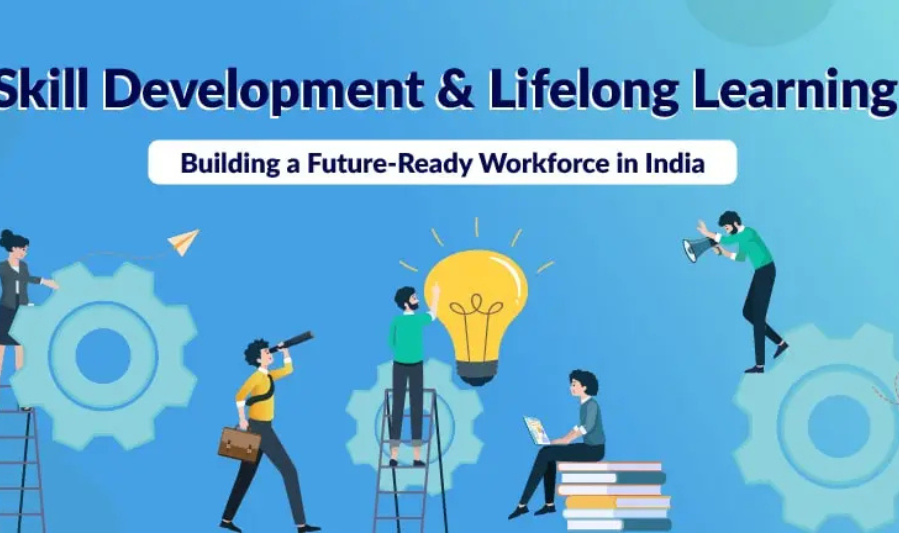
Continuous learning is key to staying competitive in today’s dynamic professional environment. Upgrading technical skills (like software proficiency, data analysis, or industry-specific knowledge) and soft skills (such as communication, leadership, and problem-solving) ensures you remain adaptable and prepared for new opportunities.
Online Courses, Certifications, and Workshops
Investing in formal learning helps accelerate career growth. Consider:
- Online courses for flexible, self-paced learning
- Certifications that validate your expertise and boost credibility
- Workshops for hands-on experience and practical insights
Staying Updated with Industry Trends and Emerging Technologies
Keeping up with industry developments helps you anticipate changes and innovate effectively. Follow professional blogs, journals, and networks, and participate in webinars or conferences to stay informed about trends and emerging technologies in your field.
Building a Strong Professional Network
Attending Seminars, Webinars, and Industry Events
Participating in seminars, webinars, and industry events provides opportunities to meet professionals in your field, exchange ideas, and learn from experts. These events help you stay informed about industry trends while expanding your network.
Connecting with Peers, Mentors, and Industry Leaders
Building meaningful relationships with peers, mentors, and leaders can open doors to new opportunities. Engaging with experienced professionals allows you to gain insights, receive guidance, and develop connections that can support your career growth.
Leveraging Platforms Like LinkedIn for Professional Networking
Online platforms like LinkedIn are powerful tools for networking. Use them to:
- Connect with colleagues, mentors, and industry leaders
- Share achievements, insights, and professional updates
- Join industry-specific groups to engage in discussions and stay informed
Seeking Feedback and Mentorship
Requesting Constructive Feedback
Constructive feedback is a valuable tool for professional growth. Actively seeking input from supervisors, colleagues, or peers helps you understand your strengths, identify weaknesses, and make informed improvements to your work performance.
Identifying Areas for Improvement and Acting on Them
Analyzing feedback allows you to pinpoint specific areas that need development. Once identified, take deliberate steps to enhance these skills—whether through training, practice, or mentorship—so you can continuously advance in your career.
Finding Mentors for Guidance and Career Insights
Mentors provide guidance, advice, and perspective based on their experience. They can help you:
- Navigate career challenges
- Make informed decisions about skill development and opportunities
- Connect with valuable professional networks that can accelerate your growth
Demonstrating Initiative and Leadership
Volunteering for Challenging Projects
Taking on challenging projects shows your willingness to go beyond routine responsibilities. It highlights your proactiveness, adaptability, and readiness to contribute to team and organizational success.
Developing Problem-Solving and Decision-Making Skills
Strong leaders excel in problem-solving and decision-making. By approaching challenges with analytical thinking and creativity, you can find effective solutions while earning the trust and respect of colleagues and supervisors.
Taking Ownership and Showcasing Leadership Qualities
Demonstrating leadership means taking responsibility for your tasks and outcomes. Being accountable for both successes and setbacks reflects professionalism, builds credibility, and positions you as a reliable team member capable of handling higher responsibilities.
You may also like to read these posts:
System Architecture Design Tips for Building Better System
Top Latest Fashion Style Trends to Update Your Wardrobe
Luxury Living Lifestyle Secrets for a Premium Way of Life
How AI Is Shaping the Future in 2026: Key Headlines You Should Know
Latest Job Openings and Career Opportunities Today
Improving Communication Skills
Enhancing Verbal and Written Communication
Clear and effective communication is essential for career growth. Focus on expressing ideas confidently and concisely in both verbal conversations and written formats such as emails, reports, and presentations.
Practicing Active Listening
Effective communication is a two-way process. Practicing active listening ensures you fully understand others’ perspectives, respond appropriately, and build stronger professional relationships.
Adapting Communication to Diverse Audiences and Situations
Tailoring your communication style to suit different audiences and contexts is key. Whether engaging with colleagues, clients, or leadership, adapting your approach enhances understanding, influence, and collaboration.
Faqs:
What are the most effective ways to grow your career?
Setting clear goals, continuously learning new skills, networking, and seeking mentorship are some of the most effective strategies.
How important is skill development for career growth?
Skill development is essential, as it helps you stay competitive and opens doors to better roles and opportunities.
How can networking help in career advancement?
Networking connects you with industry professionals, mentors, and potential employers, increasing visibility and opportunities.
How often should I review my career goals?
You should review your career goals every 6–12 months or whenever your interests or industry trends change.
Can work-life balance affect career growth?
Yes, maintaining a healthy work-life balance improves productivity, reduces burnout, and supports long-term career success.
Conclusion
Understanding how to grow your career requires consistent effort, smart planning, and continuous self-improvement. By setting clear goals, developing in-demand skills, building strong professional networks, and maintaining a healthy work-life balance, you can create long-term career success. Stay proactive, adaptable, and committed to learning—these habits will help you achieve sustainable growth and unlock new professional opportunities.