

Introduction
Rise of Remote Work in Today’s Professional World
Remote work has become increasingly popular, allowing professionals to work from anywhere while maintaining productivity. Advancements in technology, digital collaboration tools, and changing workplace cultures have accelerated this trend globally.
Benefits of Staying Updated on Remote Job Openings
Keeping track of remote job openings helps you access a wider range of opportunities, apply early, and choose roles that fit your skills and lifestyle. Staying informed also helps you understand emerging trends and in-demand skills in the remote work market.
Overview of What Readers Will Learn in This Post
This post will guide readers on where to find remote job opportunities, how to apply effectively, which industries are hiring remotely, and strategies for candidates at different experience levels. Following these tips can help you secure rewarding remote positions.
Understanding Remote Job Opportunities
Difference Between Remote, Hybrid, and On-Site Jobs
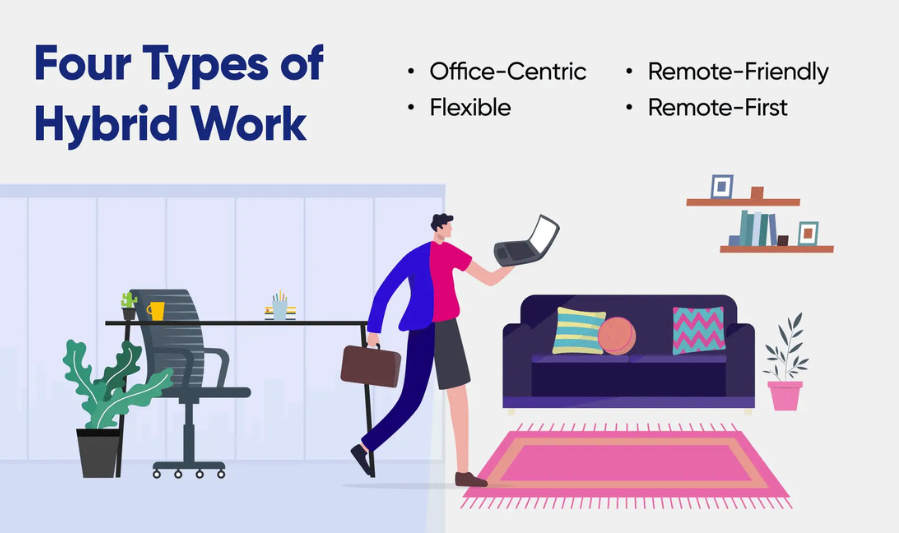
Understanding the types of work arrangements helps job seekers choose roles that suit their lifestyle and career goals.
Remote Jobs
- Work entirely from home or any location
- Flexible hours and no commuting
- Global opportunities across industries
Hybrid Jobs
- Combination of remote and on-site work
- Some days spent in the office, others remote
- Offers flexibility while maintaining team collaboration
On-Site Jobs
- Work physically at the company location
- Structured office hours
- Direct interaction with colleagues and management
Advantages of Remote Work: Flexibility, Global Opportunities, Cost-Saving
Remote work offers numerous benefits for employees seeking work-life balance and diverse opportunities.
Key Advantages
- Flexible working hours and environment
- Access to global companies and clients
- Reduced commuting costs and time
- Opportunity to manage multiple projects or clients
Growing Industries and Trends in Remote Hiring
Remote work is expanding across multiple industries as companies adopt digital-first strategies.
High-Demand Remote Sectors
- Information Technology and Software Development
- Digital Marketing and Content Creation
- Customer Support and Virtual Assistance
- Education, E-learning, and Online Training
Emerging Trends
- Increased demand for specialized digital skills
- Growth of freelance and contract-based remote roles
- Adoption of collaborative tools and virtual work platforms
Categories of Remote Job Openings
3.1 IT & Software Development

Roles
- Software developer
- Web developer
- App developer
- QA tester
Required Skills and Remote Collaboration Tools
- Programming and software development skills
- Familiarity with tools like Git, Jira, Slack, and Zoom
- Ability to work independently and manage tasks remotely
3.2 Digital Marketing & Content Creation
Roles
- SEO specialist
- Content writer
- Social media manager
- Graphic designer
Skills and Tools Required
- Creativity and strong communication skills
- Proficiency in tools like Canva, Adobe Suite, Google Analytics, Hootsuite
- Understanding of digital marketing strategies and content optimization
3.3 Customer Support & Virtual Assistance
Roles
- Customer support executive
- Virtual assistant
- Call center agent
Key Skills
- Excellent communication and problem-solving skills
- Multitasking and time management
- Familiarity with CRM software and virtual collaboration platforms
3.4 Education & Online Tutoring
Roles
- Online teacher
- Curriculum designer
- Educational consultant
Required Skills
- Subject expertise and teaching experience
- Digital communication and presentation skills
- Ability to manage online classrooms effectively
3.5 Freelance & Specialized Roles
Roles
- Translator
- Data entry specialist
- Project manager
- Consultant
Key Skills
- Domain-specific expertise
- Client management and communication
- Self-discipline and ability to meet deadlines independently
Top Platforms to Find Remote Job Openings
LinkedIn is a leading professional network where companies post remote job openings. Job seekers can also network, follow companies, and get noticed by recruiters.
Tips for Using LinkedIn
- Create a complete and professional profile
- Follow companies and industry leaders
- Set up job alerts for remote positions
- Engage with content to increase visibility
Upwork, Fiverr, Freelancer
These platforms focus on freelance and remote project-based work across multiple industries, including IT, design, marketing, and writing.
Tips for Freelance Platforms
- Build a strong portfolio highlighting previous work
- Maintain high client ratings and reviews
- Bid on relevant projects with personalized proposals
Indeed, Glassdoor
Indeed and Glassdoor list both full-time and remote positions, along with company reviews, salaries, and job descriptions.
Tips for Job Portals
- Use filters to search specifically for remote jobs
- Set up daily alerts for new postings
- Research company ratings and reviews before applying
FlexJobs, Remote.co
These platforms specialize in verified remote job listings, offering legitimate opportunities across various sectors.
Advantages of Specialized Remote Job Portals
- Curated, scam-free remote job listings
- Detailed job descriptions and application guidance
- Opportunities in multiple industries worldwide
Company Career Pages
Many companies post remote job opportunities directly on their official career portals. Checking these pages ensures access to the latest openings.
Benefits of Company Career Pages
- Direct applications without intermediaries
- Accurate and up-to-date job information
- Access to exclusive or specialized remote roles
How to Apply for Remote Job Openings
Crafting a Strong CV Highlighting Remote Work Skills
A well-crafted CV is crucial for remote positions. It should emphasize your skills relevant to remote work, such as communication, self-discipline, and digital collaboration.
Tips for CVs for Remote Jobs
- Highlight previous remote or freelance experience
- Include proficiency in collaboration tools like Zoom, Slack, Trello, or Asana
- Showcase time management and independent work skills
- Keep it concise and professional
Tailoring Cover Letters for Each Job
A tailored cover letter demonstrates your interest and fit for a specific remote role.
Tips for Cover Letters
- Personalize the letter for each application
- Highlight your ability to work independently and manage tasks remotely
- Mention your experience with relevant remote tools
- Keep it professional, concise, and engaging
Showcasing Familiarity with Remote Collaboration Tools
Employers expect candidates to be comfortable with digital tools for remote work.
Key Tools to Highlight
- Communication: Zoom, Microsoft Teams, Slack
- Project Management: Trello, Asana, Jira
- File Sharing: Google Drive, Dropbox
- Collaboration: Miro, Notion, Figma
Using Trusted Job Platforms
Applying through verified platforms ensures access to legitimate remote job opportunities.
Tips for Using Platforms
- Keep your profiles updated and professional
- Set up job alerts for relevant remote roles
- Track applications and follow up when appropriate
Preparing for Virtual Interviews
Virtual interviews require preparation to make a strong impression despite the remote setting.
Virtual Interview Tips
- Test your internet connection, camera, and microphone
- Choose a clean, quiet environment
- Dress professionally and maintain eye contact
- Prepare for behavioral and technical questions
Tips to Succeed in Remote Jobs
Creating a Dedicated Home Workspace
Having a designated workspace helps improve focus and productivity while maintaining a work-life balance.
Key Points for a Remote Workspace
- Choose a quiet and comfortable area
- Ensure proper lighting and ergonomics
- Minimize distractions and keep the space organized
Maintaining a Consistent Schedule
Consistency in working hours helps manage tasks efficiently and sets clear boundaries between work and personal life.
Scheduling Tips
- Set regular start and end times for work
- Plan breaks to avoid burnout
- Use calendars or task management tools to track deadlines
Effective Communication with Team Members
Clear communication is vital in remote roles to collaborate effectively and avoid misunderstandings.
Communication Best Practices
- Use tools like Slack, Microsoft Teams, or Zoom
- Provide regular updates on tasks and projects
- Be proactive in seeking clarification when needed
Continuous Skill Development
Remote jobs often require adaptability and up-to-date skills, especially in technology-driven roles.
Tips for Skill Development
- Take online courses and certifications
- Stay updated with industry trends
- Practice new tools and technologies relevant to your field
Self-Motivation and Discipline
Working remotely requires strong self-discipline to meet deadlines and maintain productivity.
Ways to Stay Motivated
- Set daily and weekly goals
- Reward yourself for completing tasks
- Track progress and adjust routines as needed
Tips to Succeed in Remote Jobs
Creating a Dedicated Home Workspace
A dedicated workspace improves focus, productivity, and work-life balance.
Key Points
- Choose a quiet, comfortable area free from distractions
- Ensure proper lighting and ergonomic furniture
- Keep your workspace organized and professional
Maintaining a Consistent Schedule
Consistency in working hours helps manage tasks efficiently and separates work from personal life.
Scheduling Tips
- Set regular start and end times
- Include short breaks to prevent burnout
- Use calendars or task management apps to track deadlines
You may also like to read these posts:
System Architecture Design Tips for Building Better System
Top Latest Fashion Style Trends to Update Your Wardrobe
Luxury Living Lifestyle Secrets for a Premium Way of Life
How AI Is Shaping the Future in 2026: Key Headlines You Should Know
Latest Job Openings and Career Opportunities Today
Effective Communication with Team Members
Clear and proactive communication is vital for successful remote collaboration.
Communication Best Practices
- Use tools like Slack, Zoom, or Microsoft Teams
- Provide regular updates on tasks and projects
- Ask questions and clarify doubts promptly
Continuous Skill Development
Remote jobs often require adaptability and updated skills to stay competitive.
Tips for Skill Development
- Enroll in online courses and certifications
- Stay informed about industry trends
- Practice new tools and technologies relevant to your role
Self-Motivation and Discipline
Working remotely requires discipline and self-motivation to maintain productivity and meet deadlines.
Ways to Stay Motivated
- Set daily and weekly goals
- Reward yourself for completing tasks
- Track progress and adjust routines as needed
Common Mistakes to Avoid in Remote Jobs
Applying to Unverified Platforms
Using unreliable job platforms can lead to scams or wasted time.
Tips to Avoid This Mistake
- Stick to trusted platforms like LinkedIn, Upwork, FlexJobs, and company career pages
- Verify the legitimacy of job postings before sharing personal information
- Read reviews and feedback from other job seekers
Poor Time Management and Communication
Remote work requires discipline; failing to manage time or communicate clearly can affect productivity.
Tips to Improve
- Use task management tools like Trello, Asana, or Notion
- Set clear schedules and deadlines
- Communicate regularly with your team to avoid misunderstandings
Lack of Preparation for Virtual Interviews
Virtual interviews are different from in-person interviews and require careful preparation.
How to Prepare
- Test your internet, camera, and microphone beforehand
- Choose a quiet, well-lit environment
- Dress professionally and maintain eye contact
- Prepare for common behavioral and technical questions
Neglecting Skill Development for Remote Work
Remote jobs often require specific digital skills; ignoring continuous learning can limit career growth.
How to Stay Updated
- Take online courses relevant to your field
- Learn new remote collaboration tools and technologies
- Keep up with industry trends and best practices
Faqs:
Where can I find remote job openings?
You can find remote jobs on trusted job portals, company career pages, LinkedIn, and freelance platforms like Upwork and Fiverr.
Are remote jobs suitable for fresh graduates?
Yes, many entry-level roles, internships, and training programs are available for fresh graduates seeking remote opportunities.
How do I ensure a remote job is legitimate?
Apply only through verified platforms, official company websites, and check company reviews before sharing personal information.
What skills are most important for remote jobs?
Communication, time management, familiarity with digital collaboration tools, and self-discipline are key for remote work success.
Can I work remotely for international companies?
Yes, many international companies hire globally, allowing you to work from home for companies located anywhere in the world.
Conclusion
Staying updated on remote job openings is essential for anyone looking to enjoy the flexibility of working from home while building a rewarding career. By applying through trusted platforms, preparing a strong CV, and demonstrating key remote work skills, you can secure the right opportunity. Consistency, discipline, and proactive communication are crucial—your next remote career opportunity could be just one application away.