

Introduction: Understanding the Future of Work
What is the “Future of Work”?
The “future of work” refers to the evolving landscape of jobs, skills, and workplace dynamics shaped by rapid technological advancements, globalization, and shifting employee expectations. It includes how organizations operate, how employees engage with their work, and the skills needed to thrive in an increasingly digital and interconnected world.
Why Work is Evolving
1. Technology Transformation
Advances in artificial intelligence, automation, and digital tools are changing how tasks are performed, creating new roles, and redefining existing ones.
2. Globalization and Workforce Diversity
Global access to talent allows remote work, cross-border collaboration, and diverse teams that bring unique perspectives and innovation.
3. Changing Employee Expectations
Modern workers increasingly seek flexibility, meaningful work, and opportunities for continuous learning, forcing companies to adapt their workplace strategies.
Importance of Adapting to Trends
Adapting to these shifts is crucial for both career growth and business success. Professionals who embrace new skills and mindsets secure long-term relevance, while organizations that anticipate change remain competitive, innovative, and resilient in a rapidly changing world.
Remote and Hybrid Work
Evolution of Work Models
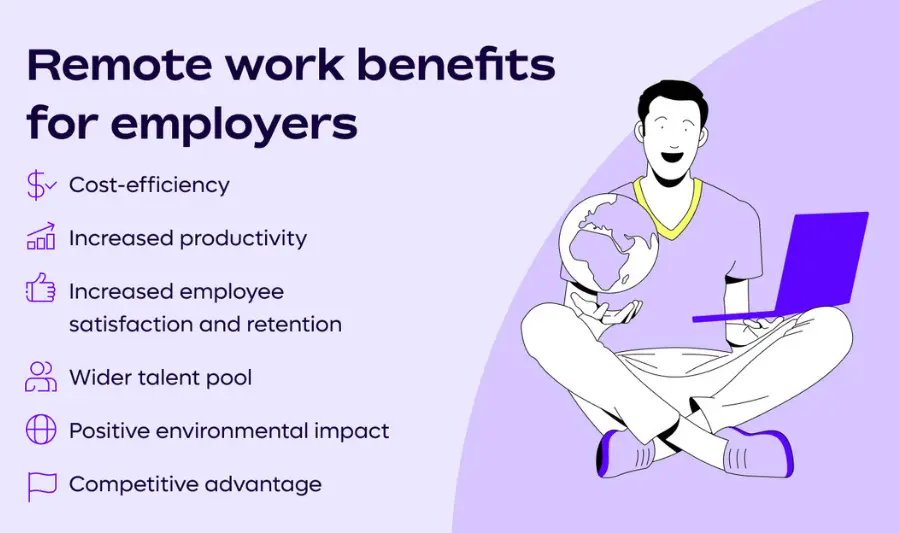
The workplace has shifted from traditional, office-centric setups to remote-first and hybrid work models. Organizations are increasingly embracing flexibility, allowing employees to work from anywhere while maintaining productivity and engagement.
Key Benefits of Remote and Hybrid Work
1. Flexibility
Employees can manage their schedules, balancing personal and professional responsibilities more effectively.
2. Increased Productivity
Remote work often reduces commute time and office distractions, enabling focused work.
3. Access to Global Talent
Companies can hire the best talent regardless of location, fostering diversity and innovation.
Challenges of Remote and Hybrid Work
1. Collaboration and Communication Gaps
Remote setups can make team coordination and spontaneous brainstorming more difficult.
2. Isolation and Engagement
Employees may feel disconnected, impacting morale, company culture, and long-term retention.
3. Cybersecurity Risks
Distributed workforces face higher risks of data breaches and security vulnerabilities, requiring strong protocols and training.
Best Practices for Hybrid Work

1. Flexible Schedules
Allow employees to choose work hours that maximize productivity while maintaining team alignment.
2. Team Rituals
Regular check-ins, virtual stand-ups, and social events help sustain connection and culture.
3. Digital Collaboration Tools
Use platforms for project management, communication, and document sharing to bridge distance gaps and maintain efficiency.
Automation, AI, and Robotics
AI in Daily Operations
Artificial Intelligence (AI) is increasingly integrated into everyday business processes. Common applications include:
- Chatbots for customer service and instant support.
- Predictive analytics to forecast trends and guide decision-making.
- Process automation to streamline repetitive tasks, improving efficiency and reducing errors.
Robotics Across Industries
1. Manufacturing
Robots enhance production efficiency, precision, and safety, performing tasks that are repetitive or hazardous.
2. Healthcare
Robotics assist in surgeries, patient care, and logistics, improving accuracy and reducing human workload.
3. Logistics and Supply Chain
Automated systems and robots help with inventory management, packaging, and delivery, speeding up operations and cutting costs.
Future Skill Requirements
To thrive alongside AI and robotics, employees will need:
- Digital literacy to understand and use technology effectively.
- AI management skills for supervising and optimizing automated processes.
- Critical thinking and problem-solving to complement machine efficiency with human judgment.
Upskilling Employees
Organizations must focus on training and reskilling programs that enable employees to work effectively with AI and robotics. Encouraging continuous learning ensures a workforce that is adaptable, future-ready, and capable of leveraging technology to drive innovation.
Lifelong Learning and Upskilling
The Necessity of Continuous Learning
In today’s rapidly changing job market, skills quickly become outdated. Continuous learning is essential for professionals to remain relevant, adapt to new technologies, and seize emerging career opportunities.
Online Learning Platforms and Credentials
1. E-Learning Platforms
Platforms like Coursera, Udemy, and LinkedIn Learning provide accessible opportunities for skill development anytime, anywhere.
2. Certifications and Micro-Credentials
Short-term courses and industry-recognized certifications help employees demonstrate expertise and stay competitive in their fields.
Cultivating a Growth Mindset
A growth mindset encourages employees to embrace challenges, learn from failures, and remain curious. Fostering curiosity leads to innovation, problem-solving, and long-term professional growth.
Role of Organizations
Organizations play a key role in supporting lifelong learning by:
- Offering training programs and workshops.
- Encouraging knowledge sharing and mentorship.
- Providing access to resources for skill development, ensuring employees can evolve alongside technology and market demands.
Employee Well-being and Mental Health
Rising Focus on Work-Life Balance
Modern workplaces increasingly recognize that employee well-being is essential for productivity, engagement, and retention. Organizations are prioritizing work-life balance, flexible schedules, and supportive environments to foster overall wellness.
Mental Health Support
1. Counseling and Therapy
Providing access to professional counseling helps employees manage stress, anxiety, and personal challenges.
2. Stress Management Programs
Workshops, relaxation sessions, and mindfulness initiatives equip employees with tools to handle workplace pressures effectively.
3. Mindfulness and Resilience Training
Encouraging practices like meditation, journaling, and resilience-building exercises enhances focus, emotional health, and adaptability.
Physical Health Programs
1. Ergonomic Workspaces
Proper seating, adjustable desks, and workstation design prevent physical strain and promote comfort.
2. Activity Incentives
Programs such as fitness challenges, gym memberships, or step-tracking competitions encourage regular physical activity.
Technology-Enabled Wellness
Digital tools are helping organizations monitor and promote employee health, including:
- Wellness apps for tracking mental and physical health.
- AI-based monitoring to provide personalized recommendations and early intervention.
- Remote health solutions such as virtual consultations and teletherapy.
Diversity, Equity, and Inclusion (DEI)
Importance of Inclusive and Equitable Workplaces
Building diverse, equitable, and inclusive workplaces is no longer optional. Organizations that prioritize DEI foster a culture where all employees feel valued, respected, and empowered to contribute their best work.
Advantages of DEI
1. Enhanced Innovation
Diverse perspectives lead to creative problem-solving and innovative solutions.
2. Increased Employee Engagement
An inclusive environment encourages employees to be more motivated, committed, and satisfied with their work.
3. Better Decision-Making
Equitable representation in teams results in well-rounded, data-driven decisions that benefit the organization.
Strategies for Promoting DEI
1. Mentorship and Sponsorship Programs
Pairing employees with mentors promotes career growth, knowledge sharing, and equitable opportunities.
2. Unconscious Bias Training
Educating teams on biases helps reduce discrimination and fosters a fair workplace culture.
3. Equitable Recruitment Practices
Implementing inclusive hiring processes ensures diverse candidate pools and fair evaluation standards.
Measuring DEI Impact
Organizations should track data-driven metrics such as representation across levels, pay equity, promotion rates, and employee feedback to evaluate the effectiveness of DEI initiatives and make continuous improvements.
Global Talent and Distributed Workforce
Hiring Beyond Geographic Boundaries
Organizations are increasingly hiring talent without geographic constraints, tapping into global expertise and diverse perspectives. This approach offers several advantages, including access to specialized skills, cost efficiencies, and innovation, but also comes with unique challenges such as coordination and cultural differences.
Managing Time Zones and Cultural Differences
1. Time Zone Coordination
Scheduling across multiple time zones requires careful planning to ensure team alignment and productivity.
2. Cultural Awareness
Understanding cultural norms, communication styles, and workplace expectations improves collaboration, engagement, and conflict resolution.
3. Effective Communication
Clear protocols, regular updates, and inclusive practices help maintain connection and transparency among distributed teams.
Tools for Remote Team Management
- Project Management Software (e.g., Asana, Trello, Jira) for tracking tasks and deadlines.
- Video Collaboration Platforms (e.g., Zoom, Microsoft Teams) for meetings, brainstorming, and social interaction.
- Collaboration and Document Sharing Tools (e.g., Google Workspace, Slack) to maintain real-time communication and workflow efficiency.
You may also like to read these posts:
Top Latest Fashion Style Trends to Update Your Wardrobe
Luxury Living Lifestyle Secrets for a Premium Way of Life
How AI Is Shaping the Future in 2026: Key Headlines You Should Know
Latest Job Openings and Career Opportunities Today
How to Hire Talent: A Step-by-Step Guide for Employers
Legal and Compliance Considerations
When managing a distributed workforce, organizations must address:
- Employment Contracts tailored to local laws and regulations.
- Payroll and Compensation structures that comply with regional standards.
- Tax and Legal Compliance to avoid penalties and ensure fair practices across countries.
Faqs:
What is the future of work?
The future of work refers to how workplaces, roles, and work practices are evolving due to technology, globalization, and changing employee expectations. It emphasizes flexibility, automation, digital collaboration, and lifelong learning.
How will remote and hybrid work evolve in the coming years?
Remote and hybrid work will continue to grow, with more companies adopting flexible schedules, virtual collaboration tools, and remote-first policies. This trend allows access to global talent and better work-life balance but requires strategies to maintain engagement and productivity.
What skills will be most in demand in the future workplace?
Skills in demand include digital literacy, AI and automation management, critical thinking, problem-solving, emotional intelligence, adaptability, and continuous learning to keep up with emerging technologies.
How can companies support employee well-being in hybrid environments?
Organizations can support well-being by offering mental health programs, flexible work schedules, ergonomic home office setups, wellness initiatives, and technology tools for stress management and virtual team engagement.
What role will AI and automation play in everyday work?
AI and automation will streamline repetitive tasks, improve decision-making, enhance productivity, and enable employees to focus on strategic, creative, and problem-solving work. Employees will need to collaborate with AI tools rather than compete with them.
Conclusion
The future of work is being reshaped by technology, shifting employee expectations, and global connectivity. Remote and hybrid models, AI integration, continuous learning, and a focus on well-being are no longer optional—they are essential for organizations and employees to thrive. By embracing flexibility, fostering inclusivity, and staying ahead of emerging trends, both businesses and professionals can unlock new opportunities, drive innovation, and build a resilient workforce prepared for the challenges of tomorrow.