
Introduction
Understanding Modern Workplace Trends
Modern workplace trends refer to evolving practices, technologies, and cultural shifts that influence how organizations operate and how employees engage, collaborate, and perform. These trends are becoming increasingly important as businesses adapt to rapid technological, social, and economic changes.
Drivers of Workplace Transformation
Technology, organizational culture, and changing employee expectations are reshaping work environments. Companies are adopting hybrid models, leveraging AI, promoting employee well-being, embracing DEI, encouraging continuous learning, and fostering collaboration to stay competitive and future-ready.
What You Will Learn
This post explores the most significant modern workplace trends, including hybrid and flexible work, AI and automation, employee well-being, diversity and inclusion, skills development and continuous learning, digital collaboration, and sustainability initiatives. Understanding these trends helps organizations and employees navigate the future of work effectively.
Hybrid and Flexible Work Models
Hybrid and flexible work models are redefining how organizations operate, offering employees autonomy while maintaining productivity and collaboration.
Hybrid Work Evolution
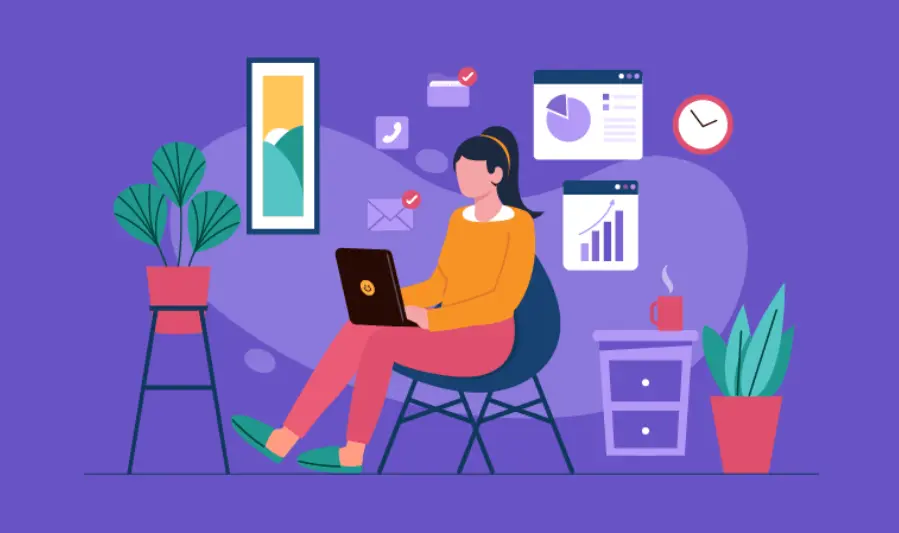
Balancing Remote and Office Work
Organizations are adopting hybrid models that combine remote and in-office work, allowing employees to choose the most effective environment for their tasks while maintaining team cohesion.
Flexible Hours
Focus on Results Rather Than Fixed Schedules
Flexible scheduling emphasizes outcomes over rigid office hours, giving employees the freedom to manage work-life balance and deliver high-quality results efficiently.
Impact on Productivity
Benefits for Engagement, Morale, and Retention
Hybrid and flexible work improves employee engagement, reduces burnout, boosts morale, and increases retention by accommodating individual needs and preferences.
Management Challenges
Strategies for Supervising Hybrid Teams Effectively
Managing hybrid teams requires clear communication, performance tracking, collaboration tools, and regular check-ins to ensure accountability and team cohesion across different locations.
Technology Integration and AI in Workplaces
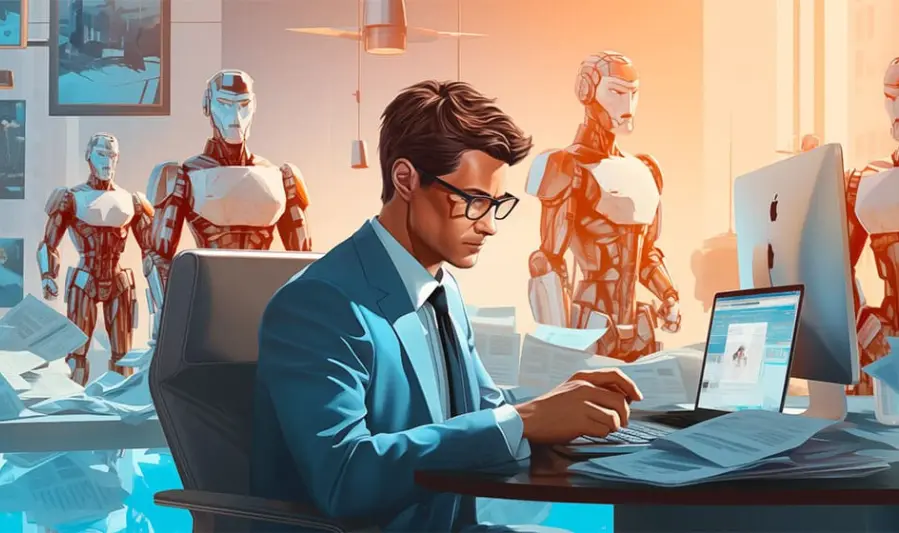
AI and technology integration are transforming workplace operations, enabling smarter decision-making, enhancing productivity, and creating new career opportunities.
AI-Powered Tools
Automation, Data Analytics, and Decision Support
AI-driven tools automate repetitive tasks, analyze large datasets, and provide decision-making insights, allowing employees to focus on higher-value, strategic work.
Collaboration Platforms
Cloud-Based Workflows, Virtual Meetings, and Team Tools
Digital collaboration platforms streamline teamwork, improve communication, and support distributed teams through cloud-based workflows, video conferencing, and shared project management tools.
Emerging Roles
New Jobs Created Through AI Integration
As AI transforms operations, new roles such as AI specialists, data analysts, and automation managers are emerging, requiring organizations to reskill and upskill their workforce.
Human-AI Collaboration
Enhancing Efficiency While Retaining Human Creativity
AI complements human work by handling routine tasks, freeing employees to apply creativity, critical thinking, and emotional intelligence to complex challenges.
Employee Well-Being and Mental Health
Focusing on employee well-being and mental health is essential for maintaining productivity, engagement, and long-term organizational success.
Mental Health Programs
Counseling, Stress Management, and Wellness Initiatives
Organizations are implementing mental health programs, including counseling services, stress management workshops, and wellness initiatives, to support employees’ emotional and psychological well-being.
Work-Life Balance
Flexible Scheduling, Remote Work, and Burnout Prevention
Promoting work-life balance through flexible hours, hybrid work options, and workload management reduces burnout, enhances job satisfaction, and improves retention.
Supportive Work Environment
Policies Fostering Psychological Safety and Inclusion
Creating a safe and inclusive workplace encourages employees to share ideas, seek help when needed, and collaborate effectively, strengthening trust and team cohesion.
Upskilling and Continuous Learning
Continuous learning and upskilling are critical for employees and organizations to remain competitive in a rapidly evolving workplace.
Importance of Reskilling
Adapting to Technology and Evolving Roles
As technology transforms job requirements, employees need to reskill to meet new demands and remain relevant in their roles.
Learning Platforms
Online Courses, Certifications, Workshops, and Internal Training
Organizations leverage online learning platforms, professional certifications, workshops, and internal training programs to provide employees with accessible skill development opportunities.
Culture of Learning
Encouraging Employees to Pursue Growth and Skill Development
Fostering a culture of continuous learning motivates employees to acquire new skills, adapt to change, and contribute more effectively to organizational success.
Diversity, Equity, and Inclusion (DEI)
DEI initiatives ensure fair treatment, representation, and equal opportunities, fostering innovation and a positive workplace culture.
Inclusive Recruitment Practices
Unbiased Hiring, Promotions, and Leadership Opportunities
Organizations implement structured hiring processes, blind resume screening, and equitable promotion practices to reduce bias and provide equal opportunities for all employees.
Diverse Leadership Teams
Enhancing Decision-Making and Innovation
Building diverse leadership teams strengthens decision-making, encourages creativity, and reflects a variety of perspectives, driving organizational growth.
Measuring DEI Impact
Monitoring Workplace Inclusivity and Team Engagement
Track key metrics such as employee representation, engagement, retention, and advancement to assess the effectiveness of DEI initiatives and ensure continuous improvement.
You may also like to read these posts:
Top Latest Fashion Style Trends to Update Your Wardrobe
Luxury Living Lifestyle Secrets for a Premium Way of Life
How AI Is Shaping the Future in 2026: Key Headlines You Should Know
Latest Job Openings and Career Opportunities Today
How to Hire Talent: A Step-by-Step Guide for Employers
Digital Collaboration and Smart Workplaces
Modern workplaces leverage digital tools and smart technologies to enhance collaboration, productivity, and operational efficiency.
Collaboration Tools
Virtual Workspaces, Project Management Software, and Communication Apps
Cloud-based platforms and team collaboration tools enable seamless communication, file sharing, and project management, supporting both in-office and remote employees.
Smart Offices
IoT-Enabled Environments, Automated Systems, and Data-Driven Insights
Smart office technologies optimize space usage, automate routine tasks, and provide actionable insights from data to improve efficiency and employee experience.
Cybersecurity
Protecting Data and Maintaining Workflow Security
As workplaces rely more on digital tools, robust cybersecurity measures are essential to protect sensitive information and ensure uninterrupted workflows.
Faqs:
What are the key modern workplace trends to watch?
Key trends include hybrid and flexible work models, AI and technology integration, employee well-being, continuous learning, diversity and inclusion, digital collaboration, and sustainability-focused workplaces.
How is hybrid work changing modern workplaces?
Hybrid work allows employees to split time between remote and office environments, improving flexibility, productivity, and work-life balance while requiring effective team management.
Why is employee well-being a priority in modern workplaces?
Organizations focus on mental health, stress management, and work-life balance to boost engagement, reduce burnout, and maintain a healthy, productive workforce.
How does technology and AI impact modern work trends?
AI and technology automate repetitive tasks, enhance decision-making, and enable better collaboration, allowing employees to focus on strategic and creative work.
What role does sustainability play in the modern workplace?
Sustainability initiatives and purpose-driven practices attract talent, improve employer branding, and align workplaces with ethical and environmental standards.
Conclusion
Modern workplace trends are reshaping how organizations operate and how employees engage with work. From hybrid and flexible models to AI integration, continuous learning, employee well-being, diversity, and sustainability, staying adaptable is key. Embracing these trends enables businesses to foster innovation, productivity, and a future-ready workforce.