

Introduction
Why Hiring the Right Employees Matters
Hiring the right employees is essential for organizational success. Skilled and motivated team members drive innovation, enhance collaboration, and contribute to achieving strategic goals.
Benefits of Effective Hiring
A well-executed hiring process reduces employee turnover, strengthens team performance, and boosts overall productivity. Selecting the right talent ensures long-term growth and stability for the organization.
What You Will Learn
This post will guide readers through the key stages of effective hiring, including defining job requirements, sourcing candidates, screening and shortlisting, conducting interviews, using assessments, and onboarding new hires. Following these best practices helps organizations secure the best-fit employees efficiently.
Define Clear Job Requirements

Clearly defining job requirements is the foundation of an effective hiring process. It ensures that recruitment efforts attract candidates who are well-suited for the role.
Job Analysis
Identify Roles, Responsibilities, and Required Skills
Conduct a thorough job analysis to understand the key tasks, responsibilities, and skills necessary for success in the position. This step ensures clarity for both recruiters and candidates.
Job Description
Craft Clear and Detailed Descriptions
Develop comprehensive job descriptions that outline duties, qualifications, and expectations. Well-written descriptions attract suitable candidates and reduce mismatches.
Expectations and KPIs
Set Performance Expectations and Measurable Goals
Define clear performance expectations and key performance indicators (KPIs) for the role. This helps candidates understand what success looks like and provides a benchmark for evaluation.
Source Candidates Effectively
Effective sourcing ensures a steady flow of qualified candidates, both for immediate openings and future workforce needs.
Internal Sourcing
Employee Referrals, Promotions, and Transfers
Leverage existing employees by encouraging referrals, promoting high performers, and facilitating lateral transfers. Internal sourcing rewards talent and fills roles quickly with candidates who understand the company culture.
External Sourcing
Job Portals, Social Media, Recruitment Agencies, and Campus Recruitment
Attract candidates from outside the organization through online job portals, social media platforms, recruitment agencies, and campus hiring events. This approach brings fresh skills and perspectives to the team.
Employer Branding
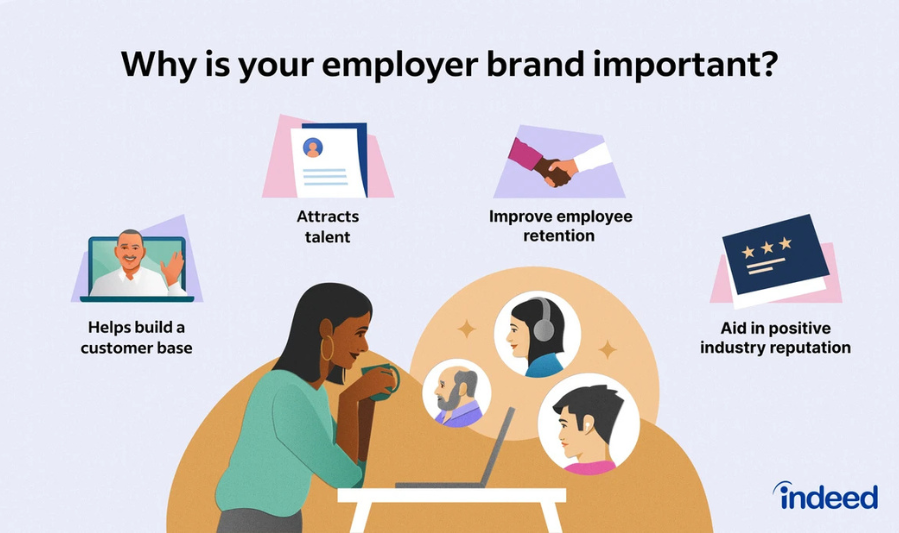
Showcase Company Culture and Values
Highlight the organization’s culture, mission, and values to attract high-quality candidates. A strong employer brand increases engagement and helps secure top talent.
Talent Pipeline
Maintain a Pool of Qualified Candidates for Future Openings
Proactively build and nurture a talent pipeline to ensure the organization is prepared for upcoming vacancies. This reduces time-to-hire and strengthens workforce continuity.
Screen and Shortlist Candidates
Screening and shortlisting help focus recruitment efforts on the most suitable candidates, improving the efficiency and effectiveness of the hiring process.
Resume Review
Identify Relevant Experience, Skills, and Qualifications
Examine resumes carefully to ensure candidates meet the required education, skills, and work experience for the role. This step helps eliminate unqualified applicants early.
Initial Screening Calls
Assess Communication, Interest, and Basic Fit
Conduct phone or video screenings to evaluate candidates’ communication skills, motivation, and basic alignment with the role and company culture.
Shortlisting Criteria
Consider Education, Experience, Skills, Cultural Fit, and Growth Potential
Select candidates who meet the key qualifications, demonstrate relevant experience, align with company values, and show potential for growth and long-term success.
Conduct Structured Interviews
Structured interviews provide a consistent and objective way to evaluate candidates, ensuring fairness and helping identify the best fit for the role.
Interview Types
Behavioral, Technical, Situational, and Panel Interviews
- Behavioral interviews assess past experiences to predict future performance.
- Technical interviews evaluate role-specific skills and knowledge.
- Situational interviews present hypothetical scenarios to gauge problem-solving and decision-making abilities.
- Panel interviews involve multiple interviewers to provide diverse perspectives on candidate suitability.
Question Preparation
Align Questions with Job Requirements and Organizational Values
Prepare questions that directly reflect the skills, competencies, and behaviors required for the role while also evaluating alignment with company values.
Evaluation Methods
Use Scorecards, Rubrics, or Standardized Assessments
Implement standardized tools for objective evaluation, ensuring consistent scoring and fair comparison across candidates.
Candidate Experience
Ensure Interviews Are Professional and Engaging
A positive interview experience enhances employer branding and helps attract top talent. Communicate clearly, respect candidates’ time, and provide timely feedback.
Assess Skills and Competencies
Assessing candidates’ skills and competencies provides objective insights and complements interviews, helping organizations make informed hiring decisions.
Technical Skills Tests
Evaluate Job-Specific Abilities
Conduct assessments to measure candidates’ proficiency in technical skills required for the role, ensuring they can perform essential tasks effectively.
Aptitude and Problem-Solving Tests
Measure Analytical and Cognitive Skills
Aptitude and problem-solving tests evaluate logical reasoning, analytical thinking, and decision-making abilities, which are critical for handling complex job responsibilities.
Personality Assessments
Gauge Behavioral Fit and Teamwork Potential
Personality assessments provide insights into candidates’ work styles, interpersonal skills, and alignment with company culture, helping predict collaboration and team performance.
Integration of Results
Combine Assessments with Interview Performance
Integrate assessment outcomes with interview feedback to form a comprehensive view of candidates, ensuring more accurate and confident hiring decisions.
Check References and Backgrounds
Reference and background checks are essential to verify candidate information and ensure reliability before making a hiring decision.
Employment Verification
Confirm Past Work Experience and Achievements
Contact previous employers to verify job titles, responsibilities, performance, and accomplishments. This step ensures the accuracy of candidates’ resumes and claims.
Background Checks
Review Criminal Records, Education, and Professional Certifications
Conduct thorough screenings to confirm criminal history, educational qualifications, and relevant professional certifications. This helps protect the organization and ensures compliance with legal requirements.
Ensuring Candidate Integrity
Reduce Hiring Risks and Maintain Organizational Standards
Reference and background checks validate candidates’ integrity, reducing the risk of hiring individuals who may negatively impact the team or organization.
You may also like to read these posts:
Top Latest Fashion Style Trends to Update Your Wardrobe
Luxury Living Lifestyle Secrets for a Premium Way of Life
How AI Is Shaping the Future in 2026: Key Headlines You Should Know
Latest Job Openings and Career Opportunities Today
How to Hire Talent: A Step-by-Step Guide for Employers
Offer and Onboard Effectively
The final stage of hiring involves extending job offers and ensuring smooth onboarding to set new employees up for success.
Job Offer
Clearly Communicate Salary, Benefits, and Role Expectations
Provide candidates with detailed information about compensation, benefits, responsibilities, and performance expectations to ensure transparency and clarity.
Negotiation
Handle Discussions on Compensation Professionally
Engage in open, professional negotiations regarding salary and perks to reach mutually satisfactory agreements while maintaining a positive candidate experience.
Onboarding Programs
Orientation, Training, and Integration into Company Culture
Implement structured onboarding programs to introduce new hires to company policies, workflows, and culture. Effective onboarding accelerates engagement and productivity.
Retention Focus
Help New Hires Become Productive and Engaged Quickly
Support new employees with mentorship, regular check-ins, and training opportunities to enhance satisfaction, retention, and long-term performance.
Faqs:
What is the first step in hiring employees effectively?
The first step is defining clear job requirements, including roles, responsibilities, skills, and expectations for the position.
How can companies attract top talent?
By using multiple sourcing channels such as job portals, social media, recruitment agencies, employee referrals, and promoting a strong employer brand.
Why is screening and shortlisting important?
Screening and shortlisting ensure that only candidates who meet the job requirements and align with company culture move forward, saving time and resources.
How should interviews be conducted for best results?
Use structured interviews with a mix of behavioral, technical, and situational questions, and assess candidates consistently and fairly.
How can onboarding impact new employees?
Effective onboarding helps new hires integrate smoothly, understand their roles, and become productive faster, improving retention and engagement.
Conclusion
Hiring the right employees is critical for organizational success. By defining clear job requirements, sourcing effectively, screening thoroughly, conducting structured interviews, assessing skills, and onboarding properly, companies can attract and retain top talent. Implementing these employee hiring tips ensures a strong workforce, higher productivity, and long-term growth.